

Choosing the right boat winch size is crucial. It ensures safety and efficiency.
Having the correct boat winch simplifies your boating experience. It helps you handle your boat with ease, especially during launching and retrieving. A suitable winch prevents unnecessary strain on your equipment, making your boating smoother. Whether you own a small fishing boat or a large yacht, understanding the right winch size is essential.
This blog post will guide you through the factors you need to consider. You’ll learn how to determine the perfect winch size for your boat. Let’s dive in and make your boating adventures stress-free and enjoyable.
Introduction To Boat Winches
Boat winches play a crucial role in marine activities. They help in launching, retrieving, and securing boats. Choosing the right boat winch is essential for safe and effective operations.
Purpose And Importance
The primary purpose of a boat winch is to assist in moving your boat. This includes pulling it onto a trailer or docking it. A winch ensures the boat is handled safely and efficiently.
Importance of a good boat winch:
- Ensures safe boat handling
- Reduces physical effort
- Prevents potential damage to the boat
- Enhances overall marine experience
Types Of Boat Winches
There are several types of boat winches available. Each type serves a unique purpose and has distinct features.
Types of boat winches:
- Manual Winches: Operated by hand. Suitable for smaller boats.
- Electric Winches: Powered by electricity. Ideal for larger boats.
- Hydraulic Winches: Use hydraulic power. Best for heavy-duty applications.
Manual winches are cost-effective and simple to use. They require physical effort but are perfect for smaller boats.
Electric winches are more convenient. They operate with the push of a button. Suitable for larger boats, they save time and effort.
Hydraulic winches are the most powerful. They handle heavy loads and are used in commercial applications. They are the best choice for heavy-duty tasks.
Factors Influencing Winch Size
Choosing the right boat winch size can be confusing. Several factors play a role in determining the appropriate winch size for your boat. Understanding these factors will help you make an informed decision and ensure your boating experience is safe and enjoyable.
Boat Size And Weight
The size and weight of your boat are the most crucial factors. A larger and heavier boat requires a more powerful winch. Calculate the total weight of your boat, including fuel, gear, and passengers. This gives you a clear idea of the winch capacity you need.
For example, a 2,000-pound boat may need a winch with a capacity of at least 3,000 pounds. Always choose a winch with a capacity higher than the boat’s weight. This ensures safe and efficient operation.
| Boat Weight (lbs) | Recommended Winch Capacity (lbs) |
|---|---|
| Up to 1,500 | 2,000 – 2,500 |
| 1,500 – 3,000 | 3,000 – 4,000 |
| 3,000 – 6,000 | 4,000 – 5,000 |
| 6,000 – 10,000 | 5,000 – 6,000 |
Winch Capacity Ratings
Winch capacity ratings are essential when selecting a winch. These ratings indicate the maximum load a winch can handle. There are two main types of winch ratings: pulling capacity and rolling capacity.
- Pulling Capacity: The maximum weight a winch can pull on a flat surface.
- Rolling Capacity: The weight a winch can move on wheels or rollers.
For boat winches, consider pulling capacity. This rating ensures the winch can handle the full weight of your boat. Always check the manufacturer’s specifications for accurate ratings.
Using a winch with a lower capacity than required can lead to failures and accidents. Investing in a winch with the right capacity guarantees safety and longevity.
Manual Vs Electric Winches
Choosing the right boat winch size depends on your boat’s weight and type. Manual winches suit smaller boats, while electric winches handle larger vessels with ease. Always consider the winch’s capacity to ensure safe and efficient operation.
Choosing between manual and electric winches can be challenging. Both types have unique features. Understanding these features will help you make an informed decision. This section will explore the pros and cons of both manual and electric winches.Pros And Cons Of Manual Winches
Manual winches are simple and easy to use. They require no power source. This makes them great for remote locations. Manual winches are also lightweight. They are usually less expensive than electric winches. But manual winches have drawbacks. They need physical effort to operate. This can be tiring, especially for heavy loads. They are slower compared to electric winches. If you have a large boat, a manual winch may not be suitable.Advantages Of Electric Winches
Electric winches offer many benefits. They are powered by a motor. This makes them fast and efficient. Electric winches can handle heavy loads with ease. They reduce the physical effort needed. Electric winches are convenient. You can operate them with a button. This saves time and energy. They are ideal for larger boats. Electric winches make the boating experience smoother. But they are more expensive than manual winches. They also need a power source. This might be a problem in remote areas. “`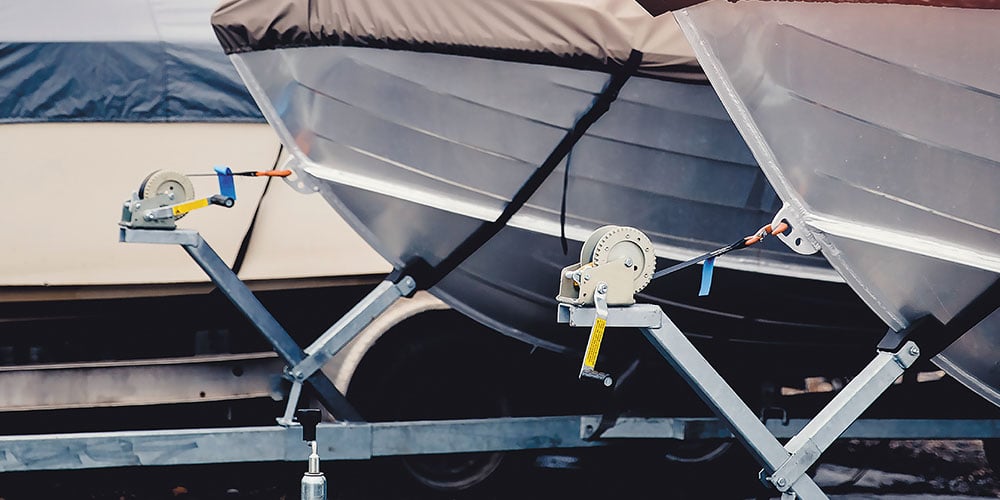
Credit: www.westmarine.com
Calculating The Required Winch Size
Choosing the right size for your boat winch is crucial. A winch that is too small can struggle to perform. A winch that is too large can be costly and unnecessary. Calculating the required winch size ensures safety and efficiency.
Basic Calculation Formula
To determine the correct winch size, you need to use a basic formula. This formula considers the weight of your boat and the slope of the ramp.
Here’s the formula:
Required Winch Capacity = (Boat Weight) x (Slope of Ramp)
Let’s break it down:
- Boat Weight: The total weight of your boat including cargo.
- Slope of Ramp: The angle of the ramp expressed as a percentage.
To find the slope percentage, you can use this formula:
Slope (%) = (Height of Ramp / Length of Ramp) x 100
Examples And Scenarios
Let’s look at some examples to better understand this calculation.
| Boat Weight | Slope (%) | Required Winch Capacity |
|---|---|---|
| 2,000 lbs | 10% | 200 lbs |
| 3,000 lbs | 15% | 450 lbs |
For a boat weighing 2,000 lbs on a 10% slope, you need a winch with a capacity of 200 lbs.
For a boat weighing 3,000 lbs on a 15% slope, you need a winch with a capacity of 450 lbs.
These examples show how the slope affects the required winch capacity. Always round up to the nearest available winch size. Ensuring you have enough capacity is better than not having enough.
Consider additional factors. If you often load your boat on steep ramps, choose a winch with a higher capacity. The same applies if you load heavy cargo frequently.
Material And Build Quality
Choosing the right boat winch involves understanding its material and build quality. These factors ensure the winch performs well and lasts long. Let’s explore the key aspects.
Corrosion Resistance
Corrosion resistance is crucial for boat winches. Boats operate in harsh environments. Saltwater can damage metal parts quickly. Choose winches made of stainless steel or coated metals. These materials resist rust. They last longer.
Durability And Longevity
Durability and longevity ensure your winch withstands regular use. High-quality materials like aluminum or stainless steel offer strength. They can handle heavy loads without bending. Look for winches with solid construction. Check for reinforced gears and sturdy handles.
Quality winches also have better warranties. This indicates the manufacturer’s confidence. Investing in a durable winch saves money over time. It reduces the need for frequent replacements.
Installation Considerations
Installing a boat winch is a critical part of ensuring the safety and efficiency of your boating experience. Proper installation ensures that your winch performs optimally and lasts longer. Here are some key considerations to keep in mind when installing a boat winch.
Mounting Location
Choosing the right mounting location is crucial. The location affects the winch’s performance and your boat’s balance. Here are some tips:
- Ensure the winch is mounted on a sturdy surface.
- Avoid areas prone to water exposure to prevent rust.
- Position the winch for easy access during operation.
Consider the weight distribution of your boat. Improper placement can cause stability issues. Use a level to ensure the winch is mounted evenly.
Compatibility With Boat Design
Your winch must be compatible with your boat’s design. Different boats have different mounting requirements. Here are some guidelines:
- Check the specifications of your boat’s manufacturer.
- Ensure the winch fits the designated mounting points.
- Consider the size and weight of your boat.
Using a winch that matches your boat’s design ensures better performance and longevity. If unsure, consult a professional.
Maintenance Tips
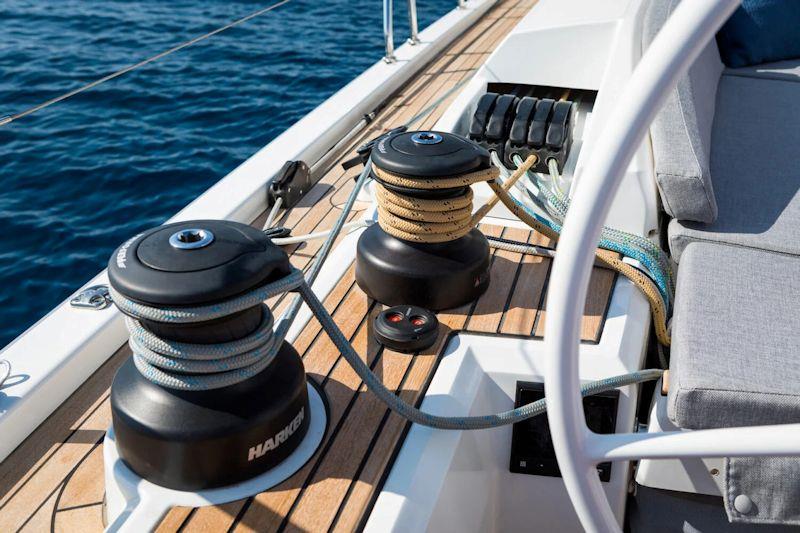
Maintaining your boat winch is essential for its longevity and performance. Regular care and attention can prevent costly repairs and ensure smooth operation. Below are some maintenance tips to keep your boat winch in top shape.
Routine Inspection
Performing a routine inspection helps identify potential issues early. Check for any visible signs of wear and tear. Look at the cable or strap for fraying or damage. Ensure all bolts and screws are tight. Examine the winch drum for rust or corrosion.
Lubrication And Cleaning
Proper lubrication and cleaning are crucial for your boat winch. Use a marine-grade lubricant to grease the gears and moving parts. This reduces friction and prevents rust. Clean the winch regularly to remove salt, dirt, and grime.
| Maintenance Task | Frequency |
|---|---|
| Inspect cables and straps | Every use |
| Check bolts and screws | Monthly |
| Lubricate gears | Every 3 months |
| Clean winch | Monthly |
Follow these maintenance tips to ensure your boat winch remains reliable and efficient. Regular care will save you time and money in the long run.
Credit: www.sail-world.com
Top Brands And Models
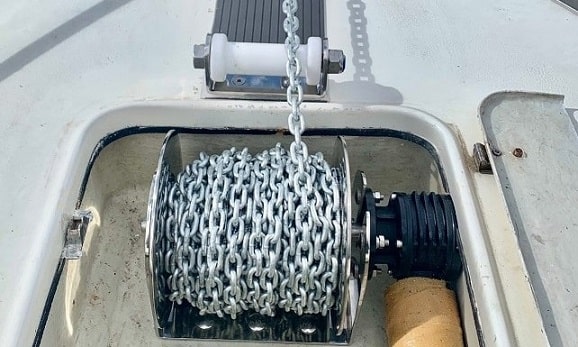
Choosing the right boat winch is crucial for a seamless boating experience. With several brands and models available, it might seem overwhelming. This guide highlights the top brands and models, making it easier to find the perfect fit for your needs.
Popular Manufacturers
Several manufacturers stand out in the boat winch market. These brands are known for their quality, durability, and reliability. Here are some of the most popular ones:
- Fulton: Known for their durable construction and ease of use.
- Dutton-Lainson: Offers a range of winches for different boat sizes.
- Powerwinch: Popular for electric winches with powerful motors.
- Reese Towpower: Provides reliable winches at affordable prices.
- Bravex: Known for their heavy-duty and versatile winches.
Recommended Winch Models
When selecting a boat winch, consider the model that best fits your boat’s weight and size. Here are some recommended models:
| Brand | Model | Weight Capacity | Type |
|---|---|---|---|
| Fulton | F2 Two-Speed | 3,200 lbs | Manual |
| Dutton-Lainson | DL2500A | 2,500 lbs | Manual |
| Powerwinch | 915 | 4,000 lbs | Electric |
| Reese Towpower | 74337 | 1,500 lbs | Manual |
| Bravex | Heavy Duty | 3,500 lbs | Manual |
Fulton F2 Two-Speed is ideal for larger boats with its 3,200 lbs capacity. It is a manual winch, making it reliable and easy to maintain.
The Dutton-Lainson DL2500A is perfect for medium-sized boats. Its 2,500 lbs capacity ensures smooth operation.
For those who prefer electric winches, the Powerwinch 915 is an excellent choice. It offers a powerful 4,000 lbs capacity.
Reese Towpower 74337 is a budget-friendly option. Its 1,500 lbs capacity is suitable for smaller boats.
The Bravex Heavy Duty winch is versatile, with a 3,500 lbs capacity. It is built for heavy-duty use.
Credit: www.gtmarine.co.nz
Frequently Asked Questions
What Factors Determine Boat Winch Size?
Boat weight, type, and intended use determine the winch size. Assess these factors first.
How Do I Calculate The Required Winch Capacity?
Divide boat weight by two. Add safety margin. Choose winch with higher capacity.
Do I Need A Manual Or Electric Boat Winch?
Manual winches suit smaller boats. Electric winches handle larger, heavier boats easily.
What Is A Good Safety Margin For Winch Capacity?
A 50% safety margin is recommended. Ensures winch performs safely under load.
Can I Use A Boat Winch For Other Purposes?
Yes, but ensure it’s suitable. Check manufacturer’s guidelines for other uses.
How Do I Maintain My Boat Winch?
Regularly clean, lubricate, and inspect for wear. Replace damaged parts promptly.
Conclusion
Choosing the right boat winch size is crucial. It ensures safe and smooth boating. Consider your boat’s weight and type. Look at winch capacity and features. A good fit prevents unnecessary strain. Always double-check manufacturer guidelines. Proper selection avoids costly mistakes.
Prioritize safety and efficiency. Research and compare options. Make an informed decision. Enjoy worry-free boating with the right winch.

