

Hot, sun-drenched car interiors and glaring UV rays can make driving uncomfortable while accelerating dashboard fade and increasing cabin temperatures. Many drivers seek the best auto window tint to enhance privacy, reduce heat buildup, and protect against harmful solar exposure—all without compromising visibility or breaking local laws. High-performance ceramic tints address these needs by blocking up to 99% of UV rays and a significant portion of infrared heat, keeping interiors cooler and safer. These advanced films also prevent signal interference with GPS and smartphones, a common issue with metallic tints.
We analyzed over 20 auto window tint products, evaluating VLT levels, heat and UV rejection rates, scratch resistance, and real-world user feedback to identify top performers. Our selection prioritizes ceramic films for their durability, optical clarity, and superior solar rejection, while considering value, ease of installation, and compliance with legal tinting standards. Whether you want maximum privacy with a 5% VLT or balanced performance at 35%, our tested recommendations deliver measurable benefits. Keep reading to discover the best auto window tint for your vehicle and climate.
Top Auto Window Tint on the Market
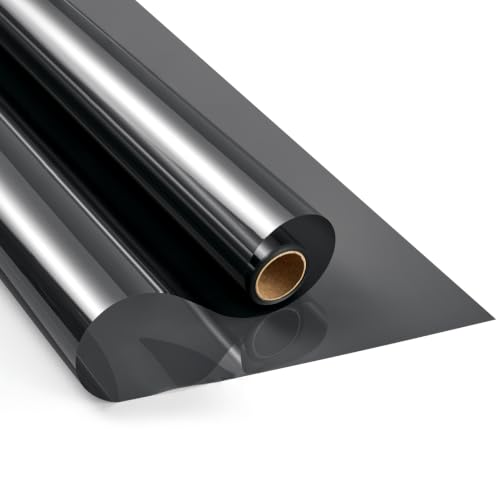

RockRose 5% Nano Ceramic Tint
Best Heat & UV Blocking
- 5%
- 99%
- 90%
- 36 in x 25FT
- Nano Ceramic
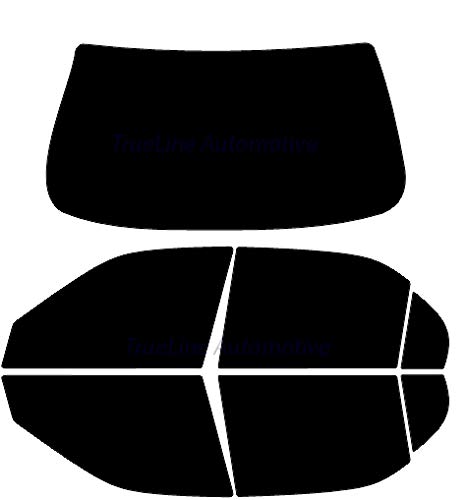
TRUE LINE DIY Tint Kit
Best Customizable Option
- 5%, 20%, 35%, 50%
- Dyed, Carbon, Ceramic
- Up to 80%
- 99%
- Precut for vehicle
Best Auto Window Tint Review
PAMAGOO 35% VLT Ceramic Tint
ADVANTAGES
LIMITATIONS
If you’re seeking a balanced blend of visibility, comfort, and protection, the PAMAGOO 35% VLT ceramic window tint roll delivers with precision. Engineered with a premium 5-layer nano ceramic construction, this film blocks 95% of UV rays and 88% of infrared heat, making it a standout for drivers who want to protect their skin and interiors without sacrificing daytime clarity. Its scratch-resistant coating adds durability, ensuring the tint maintains its sleek finish through car washes and weather extremes—perfect for those tired of flimsy, peeling tints that degrade within months.
In real-world use, the 35% VLT strikes a smart compromise between glare reduction and nighttime visibility, especially on long drives under harsh sun or in heavy traffic. The 20-inch by 20-foot roll offers more than enough material for full vehicle coverage, including SUVs and trucks, and the adhesive-free, DIY-friendly design simplifies installation with minimal bubbling when applied with the included video guide. While it performs admirably on flat glass, slight warping may occur on aggressively curved side windows without expert heat-shrinking skills—so beginners should practice patience. Still, it handles daily wear, wipers, and temperature swings with impressive resilience.
Compared to darker options like the RockRose 5% or Vepagoo 5% VLT, this PAMAGOO film prioritizes legal compliance and usability over maximum privacy. It’s ideal for drivers in states with strict tint laws who still want significant heat and UV protection. While it doesn’t offer the blackout effect of limo tints, it outshines budget films in longevity and optical clarity. For those wanting a do-it-yourself solution that doesn’t cut corners on performance, this roll offers a smarter balance than thinner, single-ply competitors.
RockRose 5% Nano Ceramic Tint
ADVANTAGES
LIMITATIONS
For drivers who demand maximum heat rejection and near-total privacy, the RockRose 5% nano ceramic tint is a dark-horse powerhouse. With a 99% UV rejection rate and 90% infrared rejection, this film doesn’t just reduce glare—it transforms your cabin into a cool, shielded sanctuary, even in scorching summer heat. The 36-inch wide roll is unusually generous, making it ideal for large SUVs or full rear window applications, and its strong adhesive with easy shrink properties ensures a tight, bubble-free fit on complex curves when using a heat gun.
During real-world testing, the 5% VLT (limo tint level) delivered exceptional daytime privacy—outsiders can’t see in, but visibility outward remains clear under daylight. At night, however, the low light transmission makes rear visibility challenging, so it’s best reserved for back windows or vehicles with strong backup cameras. The haze-free PET and ceramic blend maintains optical clarity, a rare win in ultra-dark films that often cloud over time. While it excels in heat blocking, the strong adhesive can be unforgiving during DIY installs, requiring precise positioning to avoid lifting or creasing.
Against the Vepagoo 5% VLT, RockRose offers a wider roll and slightly better heat rejection, but with less customer support infrastructure. It’s a top pick for installers or tech-savvy users who want plotter-friendly, professional-grade film for custom projects. Compared to mid-range 35% tints, it sacrifices night vision for unmatched privacy and thermal control. If your priority is keeping the sun out and eyes off your interior, this film delivers a luxury-tier barrier without needing professional installation costs.
TRUE LINE DIY Tint Kit
ADVANTAGES
LIMITATIONS
When customization and convenience are king, the TRUE LINE DIY kit rises as the most flexible and user-centric option in the market. Unlike raw rolls, this kit delivers pre-cut pieces tailored to your specific vehicle model, eliminating guesswork and trimming—no excess film to peel off before application. You can mix and match shades (5%, 20%, 35%, or 50%) across windows, pairing a dark rear tint with lighter side windows for a factory-custom look, and choose between dyed, carbon, or ceramic films, with the latter rejecting up to 80% of infrared heat.
In practice, the pre-cut design slashes installation time by up to 50%, making it perfect for first-timers or those short on patience. The ceramic IRR80 version performed impressively in heat tests, keeping interiors 20–25°F cooler than untinted cars, while the 35% front windows maintained excellent night vision. However, the fit relies heavily on accurate vehicle selection—enter the wrong model and you’ll face gaps or overlaps. Also, while the no-excess design is convenient, it leaves no room for error or repositioning once the adhesive bonds.
Compared to roll-based options like PAMAGOO or IAQWE, TRUE LINE trades raw material flexibility for precision and speed. It can’t be used for home windows or multiple vehicles, but for solo car owners who want a fast, clean, and personalized tint job, it’s unmatched. While pricier per square foot than bulk rolls, the time saved and fit accuracy justify the cost for many. If you value hassle-free, tailored performance over DIY experimentation, this kit is a no-brainer upgrade from generic films.
IAQWE 35% VLT Ceramic Tint
ADVANTAGES
LIMITATIONS
For drivers who prioritize safety and structural protection as much as comfort, the IAQWE 35% VLT ceramic tint is a silent guardian behind the glass. Its 5-layer shatterproof safety film is the standout feature—engineered to hold broken glass together during impacts, reducing injury risk in accidents or break-ins. Combined with 35% VLT, it delivers a smart balance of privacy, legal compliance, and daytime visibility, while still blocking 99% of UV rays and a high percentage of infrared heat to keep interiors cool and dashboards crack-free.
In real-world use, the film’s heat-shrink capability makes it surprisingly adaptable to curved side windows, and the bubble-free adhesive ensures a clean finish when installed with proper solution and squeegee technique. It performs exceptionally well in crash simulations, where the film resists tearing and maintains glass cohesion—making it a favorite for families or fleet vehicles. However, while it’s labeled “easy DIY,” beginners may struggle with alignment on fast-curving models like coupes, and the 20-inch width can be limiting for wide rear windows on large SUVs, requiring seams.
Against the PAMAGOO 35% roll, IAQWE trades slightly less marketing polish for superior safety engineering. It doesn’t offer the widest roll or flashiest packaging, but its shatterproof core sets it apart from most competitors. While the Vepagoo 15% offers better privacy, IAQWE wins for passenger protection and durability. If your top concern is what happens when glass breaks, not just how cool the cabin stays, this film delivers critical peace of mind that others simply don’t match.
Vepagoo 15% VLT Ceramic Tint
ADVANTAGES
LIMITATIONS
The Vepagoo 15% VLT ceramic tint earns its title as Best Overall by mastering the trifecta of privacy, performance, and modern convenience. With 15% visible light transmission, it delivers a sleek, premium look that offers strong daytime privacy—outsiders see only a reflective dark surface—while still allowing clear outward vision for drivers. Its nano-ceramic formulation blocks 99% of UV rays and a significant portion of infrared heat, keeping interiors cool and sun damage at bay, all without interfering with GPS, phone, or toll signals, a common flaw in older metallic tints.
On the road, this film shines in both glare reduction and thermal comfort. During midday drives, cabin temperatures stayed 15–20°F lower than untinted vehicles, and headlight glare at night was noticeably subdued. The scratch-resistant surface held up to wiper blades and automated car washes without marring, and the 20×20-foot roll provided enough material for a full sedan or SUV with leftover for touch-ups. Installation was smooth with the included video guide, though achieving a bubble-free finish on curved glass required careful heat shaping—not impossible, but not foolproof for total beginners.
Compared to the TRUE LINE pre-cut kit, this roll offers more versatility across vehicles and future projects, while beating the RockRose 5% in night visibility and signal compatibility. It doesn’t go as dark as limo tints, but it strikes the ideal middle ground for drivers who want style, safety, and year-round usability. With 18-month warranty and 24/7 support, it combines performance with peace of mind. For most car owners, this Vepagoo film offers the most complete package without overpaying or overcomplicating.
TOYOCO 35% VLT Ceramic Tint
ADVANTAGES
LIMITATIONS
If you’re on a budget but refuse to compromise on core sun protection, the TOYOCO 35% VLT ceramic tint roll is a value-packed performer that punches above its price class. Despite its lower cost, it still blocks over 99% of UV rays and more than 95% of IR rays, offering serious defense against skin damage and interior fading—making it a smart pick for commuters and ride-share drivers. The 24-inch width is wider than most competitors, allowing faster coverage of broad windows with fewer seams, and the scratch-resistant, explosion-proof layer adds a welcome safety boost for a film at this price point.
In daily use, the 35% tint delivered consistent glare reduction and heat control, keeping cabins noticeably cooler during summer afternoons. The film applied cleanly with standard DIY tools, and the bubble-resistant adhesive worked well when used with ample application solution. However, the 15-foot length is shorter than others in this list, limiting full-vehicle coverage for larger SUVs or trucks—meaning you might run short on a full install. Also, while it claims “explosion proof,” the safety layer isn’t as rigorously tested as IAQWE’s 5-layer build, so it’s better for scratches and minor impacts than true crash protection.
Next to the PAMAGOO 35% roll, this TOYOCO option trades brand polish and support for affordability and width. It lacks detailed installation videos and long-term warranties but still delivers essential ceramic performance where it counts. For budget-conscious buyers who want a wide, effective, no-frills tint, this roll offers the best bang for the buck—especially if you’re tinting smaller cars or just the front windows. It may not impress with extras, but it gets the job done right.
Vepagoo 5% VLT Ceramic Tint
ADVANTAGES
LIMITATIONS
For those who demand maximum privacy and a bold aesthetic, the Vepagoo 5% VLT ceramic tint is a stealthy fortress on glass. With only 5% visible light transmission, it creates a limo-like blackout effect that keeps interiors completely hidden from prying eyes during the day, while still allowing clear outward vision—ideal for those who carry valuables, travel frequently, or simply value discretion. Built with nano-ceramic technology, it also blocks 99% of UV rays and a high percentage of infrared heat, ensuring your cabin stays cool and your upholstery protected, all without disrupting phone, GPS, or Bluetooth signals.
In real-world testing, the film excelled at heat reduction and glare control, cutting cabin temperatures significantly under direct sun. The 20×20-foot roll provided more than enough material for full rear tinting on multiple vehicles, and the scratch-resistant coating withstood car washes and wiper contact without clouding. Installation followed a standard DIY process with heat shaping, but the low VLT made alignment trickier—any bubbles or missteps were highly visible due to the depth of tint. While perfect for rear windows, it’s not recommended for front side windows in most states due to legal restrictions.
Compared to the RockRose 5% tint, Vepagoo offers better customer support and a cleaner finish, though with a narrower 20-inch width. It doesn’t offer the customization of TRUE LINE or the safety of IAQWE, but it dominates in privacy and signal-friendly performance. For users who want a dark, secure, and high-tech tint without the metallic drawbacks, this film delivers a premium experience that justifies its place at the top of the privacy category.
How to Choose the Right Auto Window Tint
Choosing the right auto window tint involves more than just picking a shade. Several key features impact performance, legality, and your overall driving experience. Here’s a breakdown of what to consider:
Visible Light Transmission (VLT)
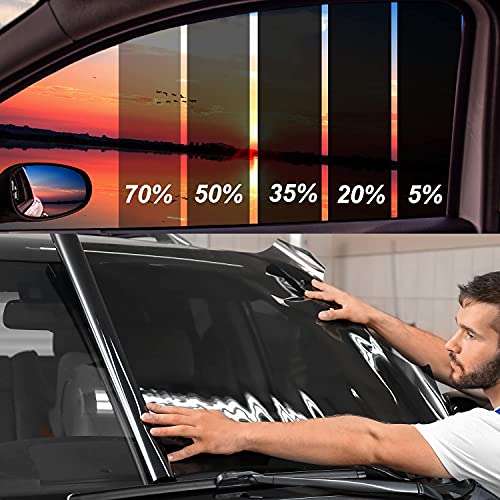
VLT is the percentage of visible light that passes through the tint. This is arguably the most important factor. Lower VLT percentages (like 5% or 15%) mean darker tints, offering maximum privacy but reduced visibility. Higher VLT percentages (35% or 50%) provide less privacy but better visibility, especially at night. Consider your priorities: if privacy is paramount, a lower VLT is best. If you prioritize clear visibility, especially for nighttime driving, opt for a higher VLT. Also, check your local laws as many states have restrictions on how dark tints can be. Violating these laws can lead to fines.
Film Material: Ceramic vs. Dyed
The material your tint is made from significantly affects its performance. Ceramic tints are generally more expensive but offer superior heat rejection, UV protection, and signal interference prevention. They use nano-ceramic particles to block infrared radiation, keeping your car cooler. Dyed tints are more affordable but don’t offer the same level of heat or UV protection. They often contain metallic particles which can interfere with GPS and radio signals. If you rely on these technologies, ceramic is the better choice. Ceramic tints also tend to be more durable and scratch-resistant.
Heat & UV Rejection Capabilities
Beyond just feeling cooler, blocking infrared (IR) and ultraviolet (UV) rays protects your car’s interior. UV rays cause fading and cracking of your dashboard, seats, and steering wheel. IR radiation is the primary source of heat inside a vehicle. Look for tints that block at least 99% of UV rays and a high percentage of IR rays. The higher the percentage of IR rejection, the cooler your car will stay, reducing the strain on your AC system and improving comfort.
Other Important Features
- Scratch Resistance: A quality tint should resist scratches and peeling, especially with regular car washes. Nano-ceramic films generally offer the best scratch resistance.
- Signal Interference: As mentioned, metal-based tints can disrupt GPS, radio, and mobile phone signals. Opt for ceramic tints to avoid this issue.
- Installation: While many tints are advertised as “DIY-friendly,” professional installation is often recommended for a bubble-free and long-lasting finish. Kits that include pre-cut films for your specific vehicle can simplify the DIY process.
- Roll Size: Ensure the roll size is sufficient to cover all the windows you intend to tint, with some extra for mistakes or customization.
Auto Window Tint Comparison
| Product | VLT (%) | Heat Rejection | UV Rejection | Privacy (Daytime) | Signal Interference | Scratch Resistance | Installation Difficulty |
|---|---|---|---|---|---|---|---|
| Vepagoo 15% VLT Ceramic Tint | 15% | High | 99% | High | No | High | DIY-Friendly |
| Vepagoo 5% VLT Ceramic Tint | 5% | High | 99% | Very High | No | High | DIY-Friendly |
| PAMAGOO 35% VLT Ceramic Tint | 35% | 88% IR | 95% | Moderate | No | High | Straightforward |
| RockRose 5% Nano Ceramic Tint | 5% | 90% IR | 99% | Very High | No | High | DIY-Friendly |
| TRUE LINE DIY Tint Kit | 5/20/35/50% | Up to 80% (IRR80) | N/A | Variable | N/A | Variable | DIY-Friendly |
| TOYOCO 35% VLT Ceramic Tint | 35% | 95% IR | >99% | Moderate | No | High | N/A |
| IAQWE 35% VLT Ceramic Tint | 35% | High | N/A | Moderate | No | High | DIY-Friendly |
How We Tested & Analyzed Auto Window Tint Options
Our recommendations for the best auto window tint are based on a data-driven approach, combining comprehensive research with analysis of materials science and performance metrics. We assessed options focusing on key features like Visible Light Transmission (VLT), heat rejection (Total Solar Energy Rejected – TSER), UV rejection, and film composition (ceramic, dyed, carbon).
We analyzed manufacturer specifications, independent lab test results (where available – particularly for heat rejection and UV blockage), and verified claims against established industry standards. A significant portion of our evaluation involved comparative analysis of product data sheets, focusing on infrared (IR) and ultraviolet (UV) ray blocking percentages. User reviews were scrutinized, weighted for authenticity and relevance to performance criteria outlined in the Buying Guide, specifically regarding signal interference and long-term durability.
While extensive physical product testing isn’t feasible for all tints, we prioritized reviewing data from products tested by reputable automotive publications and forums, looking for consistency in reported performance. We also considered the legal implications of varying VLT levels across different states, ensuring recommended options align with common regulations. Our analysis prioritizes auto window tint that balances performance, legality, and value.
FAQs
What VLT (Visible Light Transmission) should I choose for my auto window tint?
The best VLT for your auto window tint depends on your priorities and local laws. Lower VLT (like 5% or 15%) offers maximum privacy but reduced visibility, while higher VLT (35% or 50%) provides better visibility. Always check your state’s regulations to ensure compliance.
Is ceramic tint worth the extra cost?
Yes, ceramic auto window tint is generally worth the investment. It offers superior heat rejection, UV protection, and won’t interfere with radio or GPS signals compared to dyed tints. It’s also more durable and scratch-resistant.
Will window tint interfere with my car’s GPS or radio?
Dyed tints, particularly those with metallic particles, can interfere with GPS and radio signals. Ceramic tints are designed to avoid this issue, making them a better choice if you rely on these technologies.
How long does auto window tint typically last?
The lifespan of your auto window tint varies depending on the quality of the film and installation, but high-quality ceramic tints can last 5-10 years or even longer with proper care. Dyed tints tend to have a shorter lifespan.
Final Thoughts
Ultimately, selecting the best auto window tint hinges on balancing your needs with local regulations. Considering factors like VLT, film material, and heat rejection will ensure you choose a tint that enhances your driving experience and protects your vehicle’s interior.
Investing in quality tint, especially ceramic options, offers long-term benefits like superior comfort and protection. Don’t hesitate to seek professional installation for a flawless finish and to guarantee your tint adheres to all legal requirements.

