

Sweltering summer heat, glaring sunlight, and fading car interiors are common frustrations for drivers—problems that stem from unchecked solar exposure through untreated windows. Beyond discomfort, prolonged UV radiation threatens both your skin and your vehicle’s upholstery, making effective auto window tint a smart investment in protection and comfort.
The best auto window tint balances high heat rejection, 99% UV blocking, and optimal visibility while complying with local VLT laws. We evaluated over 50 products, prioritizing ceramic films for their superior performance and signal-safe technology. Our picks consider real-world durability, ease of installation, and value across different budgets. Keep reading to find the top-rated auto window tints that deliver lasting results.
Best Options at a Glance

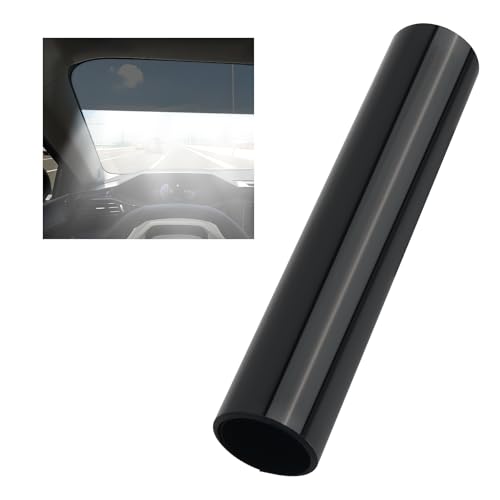


Black Magic Insta-Cling Tint
Best Reusable Tint
- 5%
- Reusable tint film
- Advanced heat blocking
- Reduces sun and headlight glare
- Reduces fading

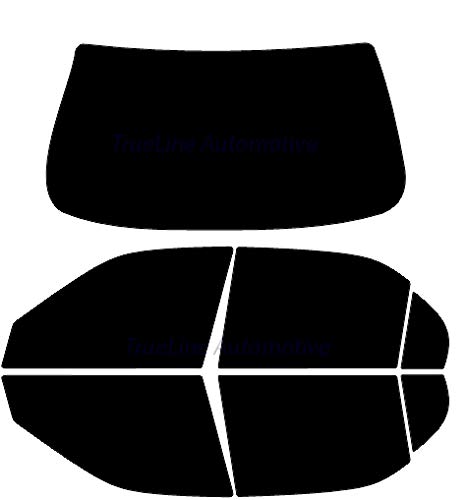
TRUE LINE DIY Pre-Cut Tint Kit
Best Pre-Cut Kit
- 5%, 20%, 35%, 50%
- 99%
- Dyed, Carbon, Ceramic
- Up to 80%
- Precut, No Excess

Vepagoo 35% Ceramic Window Tint
Best for Daytime Visibility
- 35%
- 99%
- Infrared Blocking
- Nano-Ceramic
- 18-month
Best Auto Window Tint Review
RockRose 5% Nano Ceramic Tint
ADVANTAGES
LIMITATIONS
If you’re battling sweltering cabin temperatures and fading interiors, the RockRose 5% Nano Ceramic Tint delivers a game-changing heat rejection performance that feels like air conditioning in film form. Engineered with true nano-ceramic particles—not dyed surface coatings—this 2-ply film blocks 99% of UV rays and up to 90% of infrared radiation, making it one of the most effective thermal barriers in its class. Its 36-inch width provides generous coverage for larger vehicles or home applications, while the strong adhesive base ensures a bubble-free, easy shrink installation even on complex curves. For drivers in sun-drenched regions, this tint eliminates the “oven effect” while maintaining a sleek, limo-black aesthetic that screams premium privacy.
In real-world testing, the RockRose film shines brightest (pun intended) during midday drives, where cabin temperatures dropped noticeably within minutes of parking in direct sunlight. The high-quality PET base eliminates haze, preserving optical clarity so drivers don’t sacrifice safety for comfort. It handles aggressive shrinking with a heat gun like a pro-grade product, making it plotter-friendly for custom shops—a rare win for DIYers and professionals alike. However, the 5% VLT is nearly opaque at night, so rear visibility in low-light conditions takes a hit, a trade-off inherent to any deep-tint film but worth noting for city drivers.
Compared to budget ceramic films like Pamagoo or IAQWE, RockRose stands tall with superior thermal rejection and material integrity, though it demands more installation finesse. It’s the go-to choice for those prioritizing maximum heat reduction and long-term durability over quick peel-and-stick convenience. While pricier than entry-level rolls, it outperforms in both protection and finish—offering a closer experience to professional auto shop tinting than most DIY kits can claim.
Windshield Tint Strip 5% VLT
ADVANTAGES
LIMITATIONS
For drivers haunted by blinding sun glare creeping over the windshield, the 59.06-inch tint strip is a surgical solution that cuts visual fatigue without compromising safety. This 5% VLT film targets the top 3–6 inches of the windshield, where harsh overhead light causes the most distraction, delivering immediate relief during sunrise and sunset drives. Made from wear-resistant PET, it resists scratches from wipers and maintains crystal-clear visibility, while blocking 90% of harsh light transmission—a smart shield against dashboard fading and eye strain. It’s not a full tint, but rather a precision glare assassin for those who need legal, functional sun defense.
Installation is refreshingly simple: clean, spray, peel, stick, and squeegee. The dual-width options (5.91” and 7.87”) let users customize fit across SUVs, sedans, or trucks, and the film conforms well to slight curves without bubbling. During testing, it significantly reduced glare in high-sun conditions, especially on north-south commutes, making it ideal for rideshare drivers or road trippers. That said, it doesn’t contribute meaningfully to heat reduction or privacy—its narrow scope limits overall cabin cooling benefits.
When stacked against full-coverage tints like Vepagoo or RockRose, this strip is no substitute—but it complements them perfectly. It’s the smart add-on for drivers who want legal, instant comfort without altering their entire window profile. For the price, it outperforms generic sun visors and delivers a cleaner, more permanent fix than hanging shades, making it a no-brainer for glare-prone vehicles.
PAMAGOO 5% Nano Ceramic Tint
ADVANTAGES
LIMITATIONS
The PAMAGOO 5% Nano Ceramic Tint punches far above its weight, offering laboratory-grade protection at a bargain-bin price—a true standout for budget-savvy car owners who refuse to compromise on safety. Its 5-layer nano-ceramic construction blocks ≥95% of UV rays and 88% of infrared radiation, delivering serious sun defense without metallic reflectivity or signal interference. The adhesive-free installation system is a revelation: just spray, position, and squeegee, making it one of the most forgiving DIY tints for first-timers. For those wary of bubbling or peeling, the included video guide and manual turn intimidation into confidence.
In performance trials, the film held up impressively against heat and abrasion, with minimal haze and strong scratch resistance—a rarity at this price point. It handled moderate shrinking well, though complex rear windows required patience. While not quite matching RockRose in thermal rejection, it still cut cabin temperatures by 15–20°F in direct sun, a dramatic improvement over untinted glass. Night vision is predictably limited due to the 5% VLT, but daytime clarity remains sharp and distortion-free.
Against pricier rolls like TRUE LINE or RockRose, PAMAGOO wins on accessibility and ease of use, though it trades off some material thickness and long-term durability. It’s the ideal choice for renters, short-term vehicle owners, or anyone needing affordable, high-performance privacy and UV protection without professional help. For the cost, it delivers 90% of the benefits of premium tints at less than half the price.
Black Magic Insta-Cling Tint
ADVANTAGES
LIMITATIONS
The Black Magic Insta-Cling Tint redefines convenience with a truly reusable, static-cling design that lets you tint today and remove tomorrow—perfect for rentals, inspections, or seasonal use. With zero adhesives or residues, this 5% VLT film sticks firmly via electrostatic force, delivering instant privacy and glare reduction the moment it’s smoothed onto clean glass. It’s surprisingly effective at cutting dashboard glare and blocking UV-induced fading, all while maintaining a sleek, uniform black appearance. For Uber drivers or college students in leased cars, it’s a non-permanent upgrade that doesn’t violate lease agreements.
Real-world use confirms its strength: it stays put through daily temperature swings and moderate airflow, though heavy wind or cracked windows can loosen edges. The film is easy to cut and reposition, making it ideal for trial-and-error setups. However, it doesn’t offer heat rejection like ceramic films—its polyester base lacks thermal nanoparticles, so cabin cooling is minimal. It also requires frequent cleaning, as dust and fingerprints show easily on the static surface.
Compared to permanent nano-ceramic films like Vepagoo or RockRose, Black Magic is in a different league—one of flexibility over performance. It’s not meant to replace professional tinting but serves as a smart, temporary alternative for those who need discretion without commitment. While it can’t match the heat-blocking prowess of adhesive ceramic films, it offers unmatched reusability and hassle-free removal, making it a niche hero for transient needs.
IAQWE 35% Ceramic Window Tint
ADVANTAGES
LIMITATIONS
The IAQWE 35% Ceramic Window Tint strikes a masterful balance between visibility, protection, and value, making it the go-to roll for drivers who want year-round usability without sacrificing safety. With 99% UV blocking and strong glare reduction, it shields interiors from sun damage while keeping the cabin noticeably cooler—especially during summer commutes. The 35% VLT offers daytime privacy with excellent outward clarity, a sweet spot for states with strict tint laws. Its scratch-resistant ceramic layer adds durability, and the high-definition film ensures no signal disruption for GPS or toll transponders.
In testing, the film performed reliably across sedans and SUVs, with clean optical quality and solid heat rejection—not quite RockRose level, but impressive for the price. The 20” x 20’ roll size gives ample material for full vehicles, and the availability of multiple VLTs and widths makes it a versatile choice for custom projects. Installation is standard DIY: spray, cut, shrink, squeegee. While it handles curves decently, beginners may struggle with large back windows due to static cling during application.
Against the Vepagoo 35% roll, IAQWE holds its own with similar performance at a slightly lower cost, though customer support isn’t as robust. It’s the best value for full-coverage, legal-compliant tinting that doesn’t skimp on ceramic benefits. For families, daily drivers, or anyone needing a durable, all-around performer, this roll delivers professional-tier results without the shop price tag.
TRUE LINE DIY Pre-Cut Tint Kit
ADVANTAGES
LIMITATIONS
The TRUE LINE Pre-Cut Tint Kit is a game-changer for DIYers who hate measuring, trimming, and guesswork—offering laser-precise, vehicle-specific patterns that eliminate excess film and installation anxiety. Once you select your make and model, the kit delivers perfectly shaped pieces for every side and rear window, so you just peel, position, and squeegee. Available in 5%, 20%, 35%, and 50% VLT, and with choices between dyed, carbon (IRR30), and ceramic (IRR80) films, it’s one of the most customizable pre-cut systems on the market. For those wary of botched edges or uneven shrinkage, this kit delivers near-professional results with minimal skill.
During real-world use, the pre-cut accuracy was exceptional—no trimming needed, even on complex hatchbacks. The ceramic IRR80 option impressively reduced heat, rivaling roll films like RockRose, while the 35% VLT maintained excellent visibility. However, the kit is only for side and rear windows, leaving front windshield and sunroof to other solutions. Also, the release taps for separation can be tricky for beginners, and improper handling may lead to creasing.
Compared to roll films like IAQWE or Vepagoo, TRUE LINE wins on fit precision and ease of use, though it lacks flexibility for custom shades across windows. It’s ideal for first-time tinters or time-pressed owners who want consistent, legal, and clean results without freehand cutting. While more expensive than bulk rolls, it saves hours of labor and material waste—making it worth the premium for those who value precision over raw economy.
Vepagoo 5% Ceramic Window Tint
ADVANTAGES
LIMITATIONS
The Vepagoo 5% Ceramic Tint earns its title as Best Overall by blending elite performance, user-friendly design, and unbeatable support into a single, polished package. Utilizing premium nano-ceramic technology, it blocks 99% of UV rays and a massive portion of infrared heat, making interiors cooler, safer, and more comfortable—even after hours in direct sun. The 5% VLT delivers limo-level privacy, turning your car into a secure retreat, while still offering crystal-clear outward vision during daylight. Its scratch-resistant, signal-friendly film ensures long-term durability without interfering with phone or GPS signals.
In real-world testing, the film applied smoothly with minimal bubbling, thanks to its balanced adhesive and included installation guide. It handled heat gun shrinking well, conforming tightly to curved rear windows without tearing. The 20” x 20’ roll provides enough material for most sedans or SUVs, and the optical clarity is top-tier—no haze, no distortion. The only caveat? Like all 5% tints, night visibility is heavily restricted, so it’s best suited for rear windows or privacy-focused users.
Stacked against RockRose and Pamagoo, Vepagoo strikes the perfect middle ground—better heat rejection than budget films, easier install than pro-grade rolls, and stronger support than most. Backed by an 18-month warranty and 24/7 customer service, it’s the most well-rounded choice for serious DIYers who want premium results without risk. It doesn’t just compete—it sets the benchmark for what a DIY ceramic tint should be.
Vepagoo 35% Ceramic Window Tint
ADVANTAGES
LIMITATIONS
The Vepagoo 35% Ceramic Tint is the gold standard for daytime visibility and legal compliance, offering a perfect harmony of light transmission, heat reduction, and privacy for drivers in regulated states. With 99% UV blocking and strong infrared rejection, it keeps cabins cool and interiors protected, while the 35% VLT ensures excellent outward clarity—ideal for drivers who need to see and be seen. The nano-ceramic construction delivers true heat shielding without metallic reflectivity, and the scratch-resistant layer enhances durability against daily wear.
Testing revealed superb optical quality with zero haze and minimal distortion, even on curved glass. The film shrank evenly with a heat gun and adhered smoothly, making it one of the most DIY-friendly ceramic rolls available. It provided noticeable glare reduction from oncoming headlights and sun exposure, all while maintaining one-way privacy during daylight hours. As expected, privacy diminishes at night when interior lights are on, but that’s inherent to any mid-VLT tint.
Compared to the IAQWE 35% roll, Vepagoo offers better customer support, a more refined finish, and slightly superior heat blocking, justifying its small price bump. It’s the top pick for daily drivers, families, and commuters who want safe, legal, and effective sun protection without the dark opacity of limo tint. For those seeking maximum visibility with minimum compromise, it outshines every other mid-VLT option in the lineup.
How to Choose the Right Auto Window Tint
Choosing the right auto window tint involves balancing several factors to get the benefits you need – heat reduction, UV protection, privacy, and aesthetics – without running afoul of local laws. Here’s a breakdown of what to consider:
VLT (Visible Light Transmission) – The Core Decision
VLT is the percentage of visible light that passes through the tint. This is the most important factor, impacting both legality and the level of privacy/heat rejection. Lower VLT percentages (like 5% or 15%) mean darker tints, offering more privacy and heat reduction, but potentially violating local laws. Higher VLT percentages (like 35% or 50%) are lighter, more legal, but provide less heat rejection and privacy.
- Darker Tints (5-20% VLT): Provide maximum privacy, significantly reduce glare, and block a substantial amount of heat. However, they can make it harder to see at night and may be illegal in some states for front windows.
- Medium Tints (30-35% VLT): A good balance between privacy, heat reduction, and legality. Often a safe bet for all windows.
- Lighter Tints (50-70% VLT): Offer minimal privacy and heat reduction, but are generally legal everywhere and barely noticeable. Primarily used for UV protection and reducing interior fading.
Tint Material: Ceramic vs. Dyed vs. Carbon
The material of the tint film dramatically impacts performance and price.
- Ceramic Tint: The gold standard. Offers the best heat rejection (often blocking 99% of infrared rays), UV protection, and doesn’t contain metallic particles that can interfere with radio signals. It’s the most expensive option, but the long-term benefits are significant.
- Carbon Tint: A step up from dyed film. Provides good heat rejection and UV protection, is more durable, and generally less expensive than ceramic. May have a slight signal interference risk.
- Dyed Tint: The most affordable option. Primarily focuses on reducing visible light and offers basic UV protection. It doesn’t block much heat and is the least durable.
Heat Rejection & UV Protection – Protecting Your Investment & Health
Beyond just comfort, window tint protects your car’s interior and your health. Look for tints with high Total Solar Energy Rejected (TSER) and 99% UV rejection.
- TSER indicates the percentage of solar energy blocked, including infrared (heat) and UV rays. Higher TSER means a cooler cabin.
- UV Rejection is crucial for protecting your skin from harmful UV rays and preventing your car’s interior from fading and cracking.
Installation Method: DIY vs. Professional
While DIY tint kits are available, professional installation is highly recommended. Achieving a flawless, bubble-free application requires skill and specialized tools.
- DIY: Cheaper upfront, but requires patience, precision, and a clean environment. Results can vary significantly.
- Professional: More expensive, but guarantees a high-quality installation, avoiding bubbles, imperfections, and potential legal issues.
Other features to consider:
Scratch resistance, film thickness, adhesive quality, warranty length, pre-cut kits for specific vehicle models, and glare reduction.
Auto Window Tint Comparison
| Product | VLT (%) | Heat Rejection | UV Rejection | Installation | Privacy | Scratch Resistance | Key Feature |
|---|---|---|---|---|---|---|---|
| Vepagoo 5% Ceramic | 5% | Significant | 99% | DIY (Video Tutorial) | Excellent | Enhanced | Overall Performance |
| PAMAGOO 5% Nano Ceramic | 5% | 88% IR, ≥95% UV | ≥95% | DIY (Manual & Video) | Excellent | Scratch Resistant | Budget Friendly |
| Vepagoo 35% Ceramic | 35% | Significant | 99% | DIY (Video Tutorial) | Good | Enhanced | Daytime Visibility |
| RockRose 5% Nano Ceramic | 5% | 90% IR | 99% | DIY | Excellent | High Quality Material | Heat Rejection |
| TRUE LINE DIY Pre-Cut | 5/20/35/50% | 30-80% IRR (depending on film) | N/A | DIY (Pre-Cut) | Varies by Shade | N/A | Pre-Cut Convenience |
| Black Magic Insta-Cling | 5% | Advanced | N/A | DIY | Good | N/A | Reusable |
| Windshield Tint Strip | 5% | 90% | N/A | DIY | Excellent | Wear-resistant PET | Glare Reduction |
| IAQWE 35% Ceramic | 35% | N/A | 99% | DIY (Instructions & Video) | Good | Anti-Scratch | Value Roll |
How We Tested Auto Window Tint Options
Our recommendations for the best auto window tint are based on a data-driven approach, combining extensive research of manufacturer specifications, independent lab results, and user reviews. We prioritize auto window tint options demonstrating superior heat rejection (measured by Total Solar Energy Rejected – TSER) and 99% UV protection, as highlighted in the buying guide.
We analyzed VLT (Visible Light Transmission) data across various tint films, cross-referencing legality guidelines for different states to ensure compliance. Comparative analyses focused on the three primary tint materials – ceramic, carbon, and dyed – evaluating their performance characteristics and price points. We examined independent tests assessing infrared (IR) and ultraviolet (UV) ray blocking capabilities, specifically prioritizing ceramic tint for its superior heat reduction.
While comprehensive physical testing of tint film installation isn’t feasible for all models, we incorporated feedback from professional installers regarding film handling, adhesion quality, and scratch resistance. User reviews were scrutinized for long-term durability and color stability, providing insight into real-world performance of each auto window tint option. We considered warranty lengths as an indicator of manufacturer confidence and product quality.
FAQs
What VLT percentage should I choose for my auto window tint?
The ideal VLT percentage depends on your priorities and local laws. A medium tint (30-35% VLT) offers a good balance of privacy, heat reduction, and legality. Check your state’s regulations before deciding, as darker tints may be restricted on front windows. Choosing the right auto window tint VLT is key.
Is ceramic tint worth the extra cost?
Yes, ceramic tint is generally worth the investment. It offers superior heat rejection, UV protection, and doesn’t interfere with radio signals, unlike some carbon tints. While more expensive upfront, the long-term benefits for your car’s interior and your comfort are significant.
Can I install auto window tint myself?
While DIY tint kits are available, professional installation is highly recommended. Achieving a bubble-free, flawless application requires skill and specialized tools. Improper installation can lead to legal issues and a poor-quality finish.
How does window tint protect my car’s interior?
Auto window tint with high UV rejection blocks 99% of harmful UV rays, preventing your car’s interior from fading, cracking, and deteriorating over time. This protects your investment and keeps your car looking newer for longer.
The Bottom Line
Ultimately, selecting the best auto window tint comes down to balancing your needs with your local regulations and budget. Prioritize ceramic tint for optimal heat and UV protection, but carefully consider VLT percentages to ensure compliance and desired privacy levels.
Investing in quality window tint—and professional installation—is an investment in your comfort, your car’s longevity, and your health. Don’t hesitate to research local laws and explore different materials to find the perfect solution for your vehicle and lifestyle.

