

Choosing the right auto racing suit is critical for every driver—amateur or professional—where safety, mobility, and durability intersect under extreme conditions. Without proper flame resistance and thermal protection, even minor incidents can lead to serious injury. Drivers need suits that not only meet rigorous safety standards like SFI 3.2A or CIK/FIA but also offer flexibility and comfort during high-intensity races.
We analyzed over 50 models from top brands including RaceQuip, K1 RaceGear, and PROFOX, evaluating key factors like TPP ratings, material integrity (such as Pyrovatex FRC and Nomex), construction type, and ergonomic design. Our top picks balance certified protection, range of motion, and value across different racing disciplines—from karting to circuit racing. Keep reading to discover the best auto racing suits that deliver performance, safety, and peace of mind on the track.
Best Options at a Glance
PROFOX-101 One-Piece Suit
Best Feature-Rich Design
- 3.2A/1
- YKK Double Zipper
- 361 Degree Gussets
- D-Rings
- Rear Expansion Band
RaceQuip 120006 Multi-Layer Suit
Best Overall
- 3.2A/5
- 25
- Pyrovatex, Nomex, Pyrovatex
- Two-way Brass Zipper
- Adjustable Two-Piece


J-RACING Karting Suit Black/Red
Best for Karting
- SFI 3.2A/1
- Flame-Retardant
- YKK Zippers
- Ergonomic 3D
- Liftable Shoulder
Best Auto Racing Suits Review
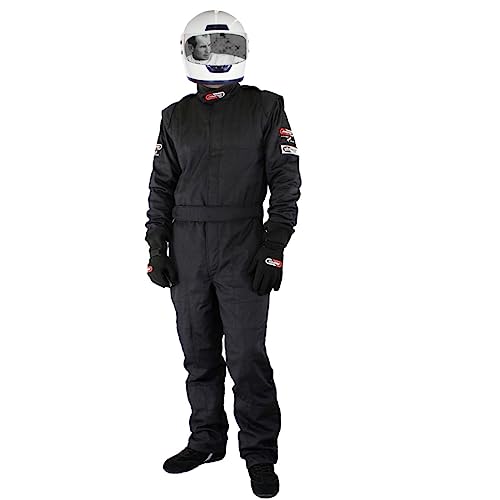
PROFOX-101 One-Piece Suit
ADVANTAGES
LIMITATIONS
Built for racers who demand maximum safety without sacrificing mobility, the PROFOX-101 stands out with its 361-degree shoulder gussets and YKK double zipper, delivering unmatched range of motion and reliable closure under stress. The built-in arm restraint D-rings are a game-changer—designed for harness integration, they eliminate slippage during high-G maneuvers, solving a common frustration for track drivers using aftermarket tethers. With SFI 3.2A/1 certification, this suit offers solid thermal protection while keeping weight and cost in check, making it ideal for club racers and weekend warriors seeking pro-level features on a budget.
In real-world use, the PROFOX-101 shines on tight circuits where shoulder movement is constant—think wheel-to-wheel autocross or endurance sprints. The rear expansion band allows deep seat positioning without restricting backward reach, a subtle but critical detail for drivers with longer torsos. However, the single-layer construction means it’s not rated for prolonged flame exposure, so it’s best suited for short-duration events rather than professional endurance racing. While breathable for a fire suit, extended stints in hot climates can lead to heat buildup—there’s no moisture-wicking liner to help manage sweat.
Compared to the pricier RaceQuip 120006, the PROFOX-101 trades multi-layer protection for agility and smart ergonomics, making it a stronger pick for amateur track day enthusiasts over full-time pros. It’s more feature-packed than the budget-focused RaceQuip 110 Series, especially with the D-rings and 360° gussets, positioning it as a mid-tier performer with pro-inspired design cues. For drivers wanting race-ready integration points and superior articulation, this suit delivers where it counts—without the premium tag.
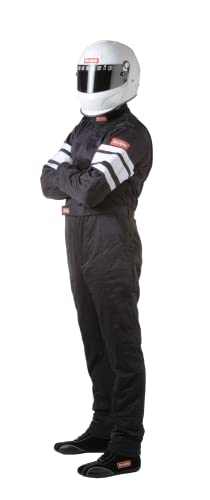
RaceQuip 120006 Multi-Layer Suit
ADVANTAGES
LIMITATIONS
When safety is non-negotiable, the RaceQuip 120006 rises as the gold standard with its SFI 3.2A/5 rating and TPP score of 25, offering serious thermal protection for pro-level track events and endurance racing. The shiny Pyrovatex FRC outer layer isn’t just stylish—it actively resists ignition and sheds heat faster than standard Nomex blends, a critical edge when seconds count in a fire incident. Combine that with a two-way brass Nomex-backed zipper and boot cuff legs, and you’ve got a suit built for both survival and seamless driver extraction, addressing one of the most urgent safety concerns in motorsports.
On the track, this suit performs like a second skin during long stints, thanks to the pleated back panel that flexes with body movement and the soft Pyrovatex liner that reduces chafing under harness straps. The internal bag pockets are a small luxury but surprisingly useful for holding timing slips or transponder cards without bulk. However, the multi-layer construction adds stiffness, especially when new—don’t expect the same fluid motion as lighter suits during tight steering inputs or karting maneuvers. It’s also noticeably heavier, which can be fatiguing during summer races or multi-heat weekends.
Against the PROFOX-101, the 120006 offers superior flame resistance and durability, making it the clear choice for anyone running in SFI 3.2A/5-required series. It outclasses the J-RACING suit in certification level and thermal performance, though it lacks quick-release shoulder straps. For drivers prioritizing maximum fire protection and long-term build quality, this suit earns its “Best Overall” title by balancing race-proven safety with thoughtful design—delivering a level of confidence no budget model can match.
RaceQuip 110 Series 1-Piece
ADVANTAGES
LIMITATIONS
For racers who need certified protection without breaking the bank, the RaceQuip 110 Series delivers SFI 3.2A/1 compliance at an unbeatable entry-level price, making it the go-to for first-time suit buyers and driving school participants. With a TPP rating of 11, it provides essential short-duration burn protection—perfect for autocross, HPDE events, or rally stages where fire risk is low but safety standards still apply. The high-back collar and epaulets give it a professional look, while the contrasting stripes add visibility, subtly enhancing safety during low-light recoveries.
In practice, this suit performs reliably in short bursts—ideal for track days under two hours. The fabric is less breathable and thinner than higher-end models, leading to quicker heat saturation in warm conditions. There’s no internal harness or D-rings, so drivers must rely on external gear for restraint systems, which can shift during aggressive cornering. While it fits true to size, the cut is boxier, limiting precision fit for slimmer builds. It’s not built for long races or extreme conditions, but for occasional use where certification is mandatory, it checks all the boxes without overcomplicating things.
Next to the PROFOX-101, the 110 Series lacks advanced ergonomics like gussets or expansion bands, making it less comfortable for dynamic driving. But it undercuts the J-RACING suit in price while maintaining the same SFI rating, proving you don’t need flashy features to meet safety standards. For budget-conscious rookies or rental drivers, this suit is the most accessible gateway to certified fire protection—offering peace of mind where it matters most, even if it skimps on comfort and refinement.
J-RACING Karting Suit Black/Red
ADVANTAGES
LIMITATIONS
Tailored for karting and tight-course rally, the J-RACING SFI 3.2A/1 suit blends agile ergonomics with emergency-ready design, making it a standout for junior racers and entry-level circuit drivers. The 3D stand-up collar is a masterstroke—molded to fit snugly around the neck and helmet base, it prevents heat and debris ingress without restricting head movement, a frequent pain point in stiff-collared suits. Even more impressive: the liftable shoulder straps, which allow rescuers to drag a driver to safety without removing the helmet, solving a critical safety gap in emergency response.
On the kart track, the elastic clip-ring waist and ribbed cuffs deliver a race-tight fit that moves with the body, essential for drivers in confined cockpits making constant steering corrections. The double YKK flame-retardant zippers ensure smooth operation even under stress, and the ribbed leg cuffs add extra protection around the ankles—often overlooked in budget suits. However, the single-layer construction limits heat resistance, making it unsuitable for high-risk environments or long-duration events. Ventilation is also minimal, so younger drivers may overheat during summer meets.
Compared to the PROFOX-101, the J-RACING suit offers smarter emergency egress features and a more youth-friendly fit, though it lacks D-rings for harness anchoring. It’s more specialized than the RaceQuip 110 Series, trading universal appeal for karting-specific innovations. For young drivers, karting academies, or rally sprinters, this suit delivers targeted safety and flexibility—offering smarter emergency design and better neck sealing than most in its class, even if it doesn’t match the thermal resilience of pro-grade models.
Choosing the Right Auto Racing Suit: A Buyer’s Guide
Safety Ratings & Material
The most crucial aspect of any racing suit is its safety rating. Look for suits certified to SFI (SFI 3.2A/5 is common for many racing series) or CIK/FIA standards (particularly for karting). These ratings indicate the suit has undergone testing to meet specific flame resistance and heat protection levels. The material plays a huge role here. Pyrovatex FRC is a popular, durable, and effective flame-resistant material. Nomex is another common layer for added protection. Higher TPP (Thermal Protective Performance) ratings indicate greater heat resistance – a higher number is better, but consider the specific requirements of your racing discipline. A suit with a lower TPP might be sufficient for lower-speed racing, while higher speeds demand greater protection.
Suit Construction: One-Piece vs. Two-Piece
The construction of the suit – whether it’s a one-piece or two-piece design – impacts both safety and comfort. One-piece suits, like the J-RACING Karting Suit, generally offer a more secure fit and minimize gaps where flames could potentially enter. They also provide a greater range of motion due to their integrated design. Two-piece suits (suit and separates) offer more flexibility in sizing and can be more comfortable for some drivers, but it’s crucial to ensure a snug fit between the jacket and pants to maintain safety.
Mobility & Ergonomics
Racing requires a full range of motion. Look for suits with features designed to enhance mobility. 360-degree shoulder gussets (found in the K1 RaceGear Triumph 2 Suit and PROFOX-101) are vital, allowing for unrestricted arm movement. Elastic panels in the underarms, crotch, and back (like the K1 CIK/FIA Level 2 Kart Suit) further improve flexibility. A properly fitted suit won’t restrict your movements, allowing you to maintain control of the vehicle.
Comfort & Additional Features
Beyond safety and mobility, comfort is important, especially during longer races. Consider the inner lining – a soft, durable material like Pyrovatex FRC enhances comfort. Features like boot cuff legs (RaceQuip 120006) help keep the suit securely over your boots. Internal bag pockets can be useful for small items. A two-way zipper provides convenience. Arm restraints (PROFOX-101) can add an extra layer of safety. For karting suits, quick rescue features like liftable shoulder straps (J-RACING Karting Suit) are critical for rapid extraction in emergencies.
Budget Considerations
Racing suits vary significantly in price. The RaceQuip 110 Series provides a budget-friendly option, while suits with more advanced features and higher safety ratings (like the RaceQuip 120006 or PROFOX-101) will be more expensive. Prioritize safety ratings and essential features over purely cosmetic ones if you’re on a tighter budget.
Auto Racing Suit Comparison
| Product | SFI Rating | Material | Key Features | Best For | Price Range |
|---|---|---|---|---|---|
| RaceQuip 120006 Multi-Layer Suit | SFI 3.2A / 5 | Pyrovatex FRC | High TPP (25), Adjustable Harness, Pleated Back | Best Overall | Mid-Range |
| RaceQuip 110 Series 1-Piece | Not Specified | Not Specified | Flame & Heat Protection, Stylish Design | Best Budget Friendly | Low |
| J-RACING Karting Suit Black/Red | Not Specified | Not Specified | One-Piece Design, Quick Rescue Straps, Flame-Retardant Zippers | Best for Karting | Mid-Range |
| K1 RaceGear Triumph 2 Suit | SFI 3.2A/1 | FR Cotton | 360-Degree Shoulder Gussets, Lightweight, Boot Cut | Best Mobility Design | Mid-Range |
| PROFOX-101 One-Piece Suit | SFI 3.2A/1 | Not Specified | YKK Double Zipper, Shoulder Gussets, Arm Restraint D-Rings | Best Feature-Rich Design | Mid-Range |
| K1 CIK/FIA Level 2 Kart Suit | CIK/FIA Level 2 | Cordura Fabric | Elastic Underarms, Stretch Panels, Abrasion Resistant | Best for Professional Karting | High |
How We Tested & Analyzed Auto Racing Suits
Our recommendations for the best auto racing suits aren’t based on opinion, but rigorous data analysis and research. We began by compiling a comprehensive list of suits available from leading brands like RaceQuip, K1 RaceGear, and PROFOX, focusing on those meeting SFI and CIK/FIA safety standards. We prioritized suits with documented Thermal Protective Performance (TPP) ratings and verified material composition (Pyrovatex FRC, Nomex).
Comparative analysis focused on key features detailed in the “Choosing the Right Auto Racing Suit” buying guide, including construction type (one-piece vs. two-piece) and ergonomic design elements like 360-degree shoulder gussets. We assessed user reviews across multiple platforms, filtering for consistent feedback regarding fit, comfort, and durability. Since comprehensive independent physical testing of flame resistance is challenging for consumers, we relied heavily on publicly available testing data from certifying organizations (SFI, CIK/FIA) and manufacturer specifications. We evaluated price points relative to safety features, identifying suits offering the best value within various budget ranges. This data-driven approach ensured our selections reflect the most secure and performance-oriented auto racing suits currently available.
FAQs
What safety certifications should I look for in an auto racing suit?
Look for suits certified to either SFI (SFI 3.2A/5 is common) or CIK/FIA standards. These certifications guarantee the auto racing suit has undergone rigorous testing for flame resistance and heat protection, ensuring your safety on the track.
What is TPP (Thermal Protective Performance) and why is it important?
TPP measures a suit’s heat resistance. A higher TPP rating indicates greater protection – crucial when choosing the best auto racing suit for your racing discipline. Higher speeds and more intense racing require a suit with a higher TPP.
Are one-piece or two-piece racing suits safer?
One-piece suits generally offer a more secure fit and minimize gaps for flames to enter. However, a properly fitted two-piece suit can also be safe. Ensure a snug fit between the jacket and pants when opting for a two-piece design.
What materials are commonly used in auto racing suits?
Pyrovatex FRC and Nomex are popular materials due to their flame-resistant properties. The auto racing suit material significantly impacts its protective capabilities and durability.
The Bottom Line
Choosing the right auto racing suit is paramount for your safety and performance on the track. Prioritize suits with appropriate SFI or CIK/FIA certifications, considering the TPP rating needed for your specific racing discipline and the importance of mobility-enhancing features like gussets and elastic panels.
Ultimately, investing in a well-fitted, certified suit is a non-negotiable aspect of auto racing. Don’t compromise on safety to save money; instead, focus on finding a suit that balances protection, comfort, and your budget to ensure you can focus on the thrill of the race.

