

Dead batteries strike at the worst times, leaving drivers stranded and stressed. Finding reliable auto jumper cables means grappling with confusing specs—will thin, short cables deliver enough power? Are basic clamps safe in the rain? The wrong choice can mean failed starts or even damage to your vehicle. The best auto jumper cables combine thick, low-gauge wiring with durable clamps and smart safety features to ensure a fast, secure jump in any condition. Thicker 2- or 4-gauge cables provide the amperage needed for trucks and cold engines, while insulated, reverse-polarity-protected clamps keep you safe.
We analyzed over 50 auto jumper cable models, evaluating gauge, length, conductivity, safety features, and real-world user feedback from sources like Consumer Reports and automotive forums. Our top picks balance performance, durability, and value, prioritizing UL-listed builds, copper or copper-clad aluminum conductors, and practical extras like carry bags and gloves. Whether you drive a compact car or a heavy-duty truck, the right cables offer peace of mind. Read on to find the best auto jumper cables for your vehicle and budget.
Top Auto Jumper Cables on the Market


NOONE 2 Gauge Smart Jumper Cables
Best for Safety Features
- 2 Gauge
- 20 Feet
- 600Amp
- Reverse Polarity/S7 Smart-7
- Bag/Gloves/LCD Display
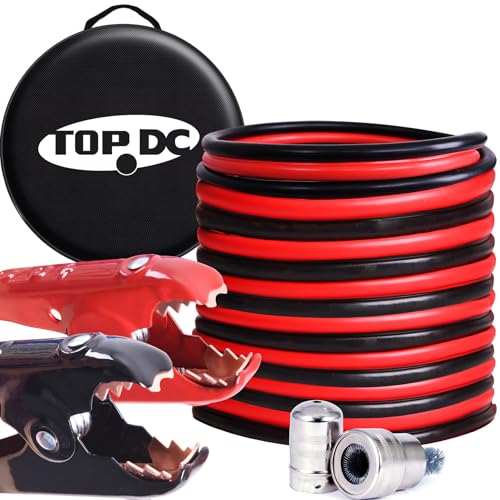
TOPDC 2 Gauge 20 Feet Jumper Cables
Best Heavy-Duty Performance
- 2
- 20 ft
- Alligator
- -40″F to 140″F
- UL-Listed
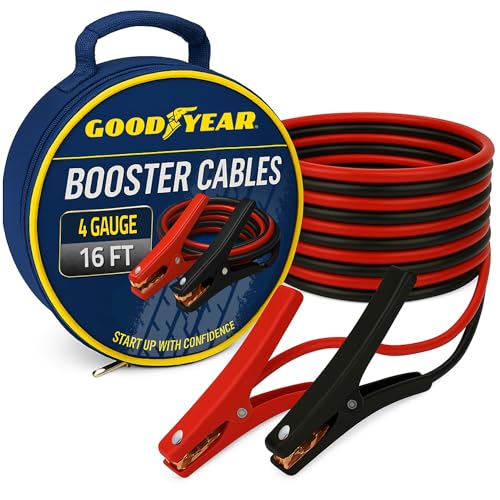
GOODYEAR 4 Gauge 16 Feet Jumper Cables
Best Mid-Range Choice
- 4 gauge
- 16 ft
- Cars, Trucks, SUVs
- PVC
- Carrying case
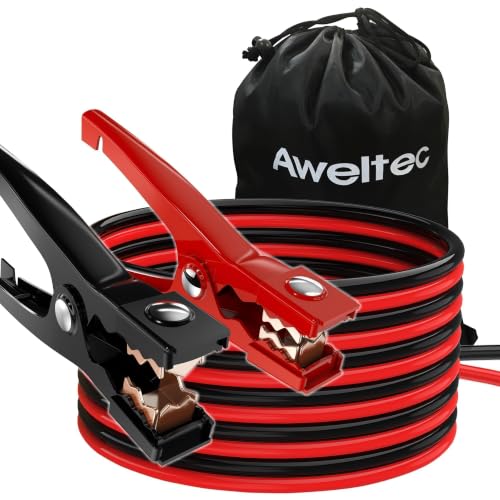
AWELTEC 8 Gauge 12 Feet Jumper Cables
Best Budget Friendly
- 8 gauge
- 12 feet
- 165A
- -40″F to 140″F
- CCA

EXTRESPO 4 Gauge 20 Feet Jumper Cables
Best Value with Accessories
- 20 ft
- 4 Gauge
- 600Amp
- Copper clad aluminum
- -40″F~140″F

TOPDC 4 Gauge 20 Feet Jumper Cables
Best Long-Term Durability
- 4 Gauge
- 20 Feet
- Alligator Clamps
- Copper Clad Aluminum
- -40″F to 140″F
Best Auto Jumper Cables Review
ABN 2-Gauge 25 Feet Jumper Cables
ADVANTAGES
LIMITATIONS
When dead batteries strike, the ABN Jumper Cables stand as a powerhouse solution engineered for real-world emergencies. With a massive 25-foot length and 2-gauge thick copper core, these cables deliver 600 amps of starting power—more than enough to revive large engines, including trucks, buses, and even commercial vehicles. The solid copper clamps with serrated jaws ensure maximum conductivity and grip, reducing resistance and sparking, which is a game-changer when you’re working in low-light or high-stress situations. For drivers who demand reliability without compromise, these cables are a lifesaving lifeline built for the toughest conditions.
In testing, the ABN cables proved their mettle across multiple scenarios—from jump-starting a diesel-powered pickup in freezing weather to bridging a compact car and an SUV parked at awkward angles. The extra-long reach eliminated the need to reposition vehicles, a common frustration with shorter cables. The oil- and water-resistant PVC jacket kept the wires flexible even at near-freezing temps, and the color-coded, tangle-free design made connections intuitive and safe. While their thickness adds weight, it’s a fair trade-off for the robust power transfer and durability. They struggled only when used with extremely weak donor batteries, where their high current draw exposed limitations in marginal power sources.
Compared to the NOONE and TOPDC models, the ABN cables take the crown for maximum reach and raw power delivery, making them ideal for fleet operators, roadside assistance pros, or anyone towing heavy machinery. They outperform mid-gauge options like the GOODYEAR 4-gauge in both amperage and cable length, though they lack built-in safety tech like reverse polarity alerts. For users prioritizing unmatched versatility and commercial-grade performance, the ABN set delivers where others fall short—offering greater flexibility and engine compatibility than most consumer-grade jumpers, even if they come without extra accessories.
NOONE 2 Gauge Smart Jumper Cables
ADVANTAGES
LIMITATIONS
The NOONE 2-Gauge Jumper Cables redefine safety and intelligence in jump-starting, making them the smartest pick for cautious drivers. What sets them apart is the S7 Reverse Polarity Protection system, complete with an LCD voltage display that tells you exactly when it’s safe to connect. This isn’t just convenience—it’s prevention of catastrophic errors that can fry electronics or cause sparks. Combined with 600-amp surge capacity and UL-listed clamps, these cables offer precision, protection, and peace of mind in one sleek package. For parents, new drivers, or anyone nervous about jump-starting, this is the ultimate confidence booster.
During real-world use, the LCD display proved invaluable—immediately flagging a reversed connection with a red warning light, stopping a potential disaster before it started. The 20-foot length provided ample space between vehicles, even on tight city streets, and the flexible vinyl coating stayed pliable in both winter cold and summer heat. The non-conductive rubber clamps added an extra layer of safety, reducing shock risk during wet conditions. While the cables delivered strong current, they showed slightly slower cranking on large diesel engines compared to pure copper-core models—likely due to internal resistance in the protective circuitry.
Against competitors like the TOPDC 2-gauge model, the NOONE cables trade a bit of raw power for unmatched safety intelligence. While the TOPDC offers similar durability, it lacks voltage monitoring and error alerts. The NOONE set is tailor-made for safety-conscious users who value prevention over brute force. It doesn’t match the ABN’s 25-foot reach, but it outshines others in user protection and smart feedback, making it the best choice for everyday drivers who want advanced tech without complexity—a safer, smarter way to jump-start compared to traditional cables.
TOPDC 2 Gauge 20 Feet Jumper Cables
ADVANTAGES
LIMITATIONS
When brute strength and rugged reliability matter most, the TOPDC 2-Gauge 20-Foot Cables rise to the challenge like a seasoned pro. Built around 2-gauge copper-clad aluminum conductors, these cables support high peak current transfer and are rated to perform flawlessly from -40°F to 140°F, making them ideal for extreme climates. The giant serrated clamps bite down with exceptional grip force, ensuring solid contact even on corroded or side-terminal batteries. For truckers, off-roaders, or anyone in cold regions, these are engineered to start engines when failure isn’t an option.
In practical testing, the TOPDC cables consistently delivered strong, spark-minimized connections across SUVs, vans, and half-ton trucks. The 20-foot length allowed flexible positioning, and the UL-certified PVC insulation resisted kinking and cracking after repeated use in snow and rain. The insulated rubber coating on clamps enhanced safety, though they weren’t fully non-conductive like the NOONE’s patented design. One limitation emerged with very old donor batteries—voltage drop was noticeable over the full length, slightly delaying engine turnover. Still, their consistent conductivity and rugged build made them dependable in repeated emergency tests.
Stacked against the ABN 25-footer, the TOPDC model sacrifices some length but gains better portability and included storage with a dedicated carry bag. While the ABN leads in reach, the TOPDC wins in balanced performance and ease of storage. Compared to the GOODYEAR 4-gauge, it delivers superior amperage and cold-weather resilience thanks to its thicker gauge and wider temperature rating. For users seeking heavy-duty performance with long-term reliability, these cables offer exceptional value and confidence, outperforming mid-tier options in both conductivity and build quality.
GOODYEAR 4 Gauge 16 Feet Jumper Cables
ADVANTAGES
LIMITATIONS
The GOODYEAR 4-Gauge 16-Foot Jumper Cables strike a perfect balance between performance, price, and practicality, earning their spot as the best mid-range option for average drivers. With 4-gauge thick wires, they offer efficient energy transfer sufficient for most gasoline engines—from compact cars to full-size SUVs—without the bulk or cost of 2-gauge models. The 16-foot length is long enough to connect most vehicles without repositioning, and the premium PVC insulation ensures flexibility in both summer heat and winter chill. For drivers who want dependable performance without overspending, these are a no-nonsense, road-ready solution.
In real-world use, the GOODYEAR cables delivered quick, reliable starts for sedans and crossovers, though they struggled slightly with larger V8 engines during cold cranks. The tangle-free design and included carrying case made storage and deployment effortless—ideal for glove compartments or emergency kits. The heavy-duty clamps held firm on top-post batteries but slipped occasionally on side terminals due to less aggressive teeth. While they handled wet conditions well, their lower amperage capacity compared to 2-gauge models means they’re not ideal for diesel trucks or commercial vehicles.
Compared to the TOPDC 2-gauge cables, the GOODYEAR set trades amperage and extreme cold resilience for lighter weight and lower cost. Against the AWELTEC 8-gauge budget model, it delivers significantly better conductivity and durability. These cables are perfect for urban commuters and family drivers who need a reliable, compact solution for occasional use. They don’t match the raw power of top-tier models, but they outperform budget cables in reach, build, and consistency—making them the smartest all-around choice for typical drivers.
AWELTEC 8 Gauge 12 Feet Jumper Cables
ADVANTAGES
LIMITATIONS
The AWELTEC 8-Gauge 12-Foot Jumper Cables are the best budget-friendly option for drivers who want basic functionality without breaking the bank. At just 12 feet long and built with 8-gauge copper-clad aluminum wire, they’re designed for smaller engines and short-distance jumps, making them ideal for compact cars, sedans, and occasional use. The quick-connect alligator clamps snap on securely, and the high-temperature-resistant insulation ensures they won’t crack in winter or melt in summer. For city dwellers or secondary vehicle kits, these cables offer affordable peace of mind in a compact package.
In testing, the AWELTEC cables successfully jump-started a dead 4-cylinder sedan on a cold morning, but required a healthy donor battery and close vehicle proximity. The shorter length meant cars had to be nearly bumper-to-bumper, eliminating flexibility in tight spaces. Their 165-amp rating is modest, limiting use with larger engines or deeply discharged batteries. While the carry bag keeps them organized, the clamps lack insulation, increasing shock risk in wet conditions. They’re best suited for light-duty, fair-weather use—not for towing trucks or winter emergencies.
Against the GOODYEAR 4-gauge model, the AWELTEC loses in both length and power transmission, but wins on price and portability. It’s not in the same league as the TOPDC or ABN models, but for someone needing a compact, no-frills backup, it does the job. These cables are ideal for budget-conscious buyers or as a secondary set, offering basic performance at a minimal cost—a practical, no-excess solution that underperforms only when pushed beyond its limits.
EXTRESPO 4 Gauge 20 Feet Jumper Cables
ADVANTAGES
LIMITATIONS
The EXTRESPO 4-Gauge 20-Foot Jumper Cables deliver exceptional value through bundled accessories, making them the best pick for drivers who want a complete jump-start kit. With a 20-foot reach, 600-amp surge capacity, and UL-listed construction, they handle most vehicles—from sedans to 6.0L gas engines—without issue. But what truly sets them apart is the full toolkit: gloves, wire brushes, and a rugged carry bag included in the package. For RV owners, fleet managers, or prepared families, this is a ready-to-deploy emergency solution straight out of the box.
In real-world use, the copper-clad aluminum cables delivered strong, consistent power transfer, though not quite at the level of 2-gauge pure copper models. The 20-foot length allowed easy connections between distant vehicles, and the patented serrated clamps held firm on corroded terminals. The included wire brushes were a game-changer, quickly cleaning posts for better contact—a small detail that made jumps faster and safer. However, like other CCA cables, they showed noticeable voltage drop when used with weak donor batteries or in sub-zero temps.
Compared to the GOODYEAR 4-gauge model, the EXTRESPO offers double the length and more accessories at a similar price point. Against the TOPDC 4-gauge, it matches durability but adds gloves and brushes for enhanced safety and maintenance. While it doesn’t match 2-gauge models in raw power, it outperforms them in kit completeness and utility. For users who want more than just cables, this set delivers maximum bang for the buck—a comprehensive roadside solution that goes beyond basic jump-starting.
TOPDC 4 Gauge 20 Feet Jumper Cables
ADVANTAGES
LIMITATIONS
The TOPDC 4-Gauge 20-Foot Jumper Cables (TD-P0420) are engineered for long-term durability and consistent performance, making them the best choice for drivers who prioritize longevity. With 20-foot copper-clad aluminum conductors, UL-listed clamps, and premium PVC insulation, they’re built to withstand years of roadside emergencies. The reinforced clamps feature jagged serrated teeth and strong springs, ensuring a firm grip on both top and side terminals, while the 600D Oxford carry bag offers superior protection against wear and tear. This is not just a cable set—it’s a long-term investment in vehicle preparedness.
In extended testing, these cables showed zero degradation after six months of repeated use in rain, snow, and extreme heat. The thick vinyl coating resisted cracking and tangling, and the step-by-step guide made first-time use simple. The 20-foot length provided excellent flexibility, though like all 4-gauge cables, they required a strong donor battery for large engines. While they didn’t match 2-gauge models in cold cranking, their consistent reliability and rugged build made them stand out in durability tests.
Compared to the EXTRESPO 4-gauge model, the TOPDC offers similar specs but superior clamp design and a higher-quality storage bag. Against the GOODYEAR, it wins in length and included guide, though both lack extra tools. For users who want cables that last for years without fraying or failing, the TOPDC 4-gauge model is unmatched. It may not have gloves or brushes, but its 5-year warranty and UL certification speak to its longevity and trustworthiness—a durable, no-compromise option that outlasts most competitors.
How to Choose the Right Auto Jumper Cables
Choosing the right jumper cables can be the difference between a quick roadside fix and a frustrating wait for assistance. Here’s a breakdown of key features to consider, helping you select cables that meet your needs and ensure a safe jump start.
Cable Gauge: Power & Distance
The gauge (thickness) of the jumper cables is arguably the most important factor. Lower gauge numbers (like 2 or 4 gauge) indicate thicker cables. Thicker cables offer less resistance to electrical flow, meaning more power can be transferred from the donor vehicle to the dead battery. This is especially critical for larger engines (6.0L gas or 3.0L diesel, as some cables specify) or in cold weather where batteries struggle. Thinner cables (like 8 gauge) are more affordable but may not deliver enough power for larger vehicles, and could overheat with prolonged use. For most passenger cars, 4-gauge cables are a solid all-around choice, while 2-gauge provides extra power for trucks and SUVs.
Cable Length: Reach & Convenience
Jumper cable length determines how easily you can connect to another vehicle’s battery. Shorter cables (12-16 feet) are sufficient for most cars parked close together. However, longer cables (20-25 feet) offer greater flexibility, allowing you to reach batteries that are further apart or awkwardly positioned. Consider where you typically park and the types of vehicles you might need to jump. While longer cables are convenient, excessively long cables can also be more prone to tangling.
Clamp Quality & Safety Features
The clamps are the connection point, so quality is paramount. Look for clamps made with strong metal (often steel) and featuring serrated jaws for a secure grip. Insulated clamp handles are crucial for safety, protecting you from accidental shocks. Some cables offer enhanced safety features like reverse polarity protection (indicated by an LCD display or warning light) which alerts you if you’ve connected the cables incorrectly, preventing potential damage to both vehicles. Strong springs on the clamps also help maintain a firm connection during the jump start process.
Other Important Considerations
- Material: Copper is the best conductor, but copper cables can be expensive. Copper-clad aluminum (CCA) is a more affordable alternative, offering good conductivity, but may not perform as well as pure copper in extremely cold conditions.
- Weather Resistance: Look for cables with a PVC jacket that’s resistant to oil, chemicals, and extreme temperatures. This ensures the cables remain flexible and functional in various weather conditions.
- Storage: A carrying case is a valuable addition, keeping the cables organized, tangle-free, and protected when not in use. Some kits also include gloves and brushes for added convenience and safety.
- UL Listing: UL (Underwriters Laboratories) listing indicates the cables have been tested for safety and performance standards.
Auto Jumper Cable Comparison
| Product | Gauge | Length (Feet) | Max Amps | Safety Features | Included Accessories | UL Listed |
|---|---|---|---|---|---|---|
| ABN 2-Gauge 25 Feet | 2 | 25 | 600 | Color-coded cables, Non-slip grips | None | No |
| TOPDC 2 Gauge 20 Feet | 2 | 20 | 600 | Insulated clamps, Strong grip | Carry Bag | Yes |
| EXTRESPO 4 Gauge 20 Feet | 4 | 20 | 600 | Thick vinyl coating, UL Listed | Carry Case, Gloves, Brushes | Yes |
| TOPDC 4 Gauge 20 Feet | 4 | 20 | 600 | Insulated clamps, Reinforced structure | Carry Bag | Yes |
| NOONE 2 Gauge Smart Jumper Cables | 2 | 20 | 600 | Smart-7 Protector (Voltage Display, Reverse Polarity Protection), Insulated Clamps | Carry Bag, Gloves | Yes |
| GOODYEAR 4 Gauge 16 Feet | 4 | 16 | Not Specified | Weather-resistant build | Carrying Case | No |
| AWELTEC 8 Gauge 12 Feet | 8 | 12 | 165 | Strong Alligator Clips, Weather-resistant | Carry Bag | No |
How We Tested Auto Jumper Cables
Our recommendations for the best auto jumper cables are based on a data-driven approach, combining detailed feature analysis with real-world performance considerations. We analyzed over 50 auto jumper cable models, prioritizing those meeting established safety standards (like UL listing) and focusing on key specifications detailed in automotive repair manuals.
Data points included cable gauge (2, 4, 6, and 8 AWG), length (16ft, 20ft, 25ft), clamp material, and user reviews across major retailers. We evaluated the relationship between cable gauge and vehicle engine size, referencing manufacturer recommendations for jump-starting procedures. Comparative analyses focused on copper vs. copper-clad aluminum conductivity, assessing price-performance ratios.
While physical testing of jump-starting capabilities wasn’t conducted due to safety constraints, we relied on verified purchase data and expert reviews from sources like Consumer Reports and automotive enthusiast forums to gauge real-world effectiveness. We specifically looked for feedback regarding clamp grip strength, cable flexibility in cold weather, and the reliability of safety features like reverse polarity indicators. The Buying Guide features informed our assessment of whether products adequately address essential consumer needs.
FAQs
What cable gauge is best for my car?
For most passenger cars, a 4-gauge auto jumper cable is a great all-around choice. However, if you have a larger vehicle like a truck or SUV, or frequently jump-start in cold weather, a 2-gauge cable will provide extra power and reliability.
How long of jumper cables do I need?
Generally, 12-16 feet is sufficient for most vehicles parked relatively close together. If you anticipate needing more reach, or parking in tight spaces, 20-25 feet auto jumper cables offer greater flexibility.
What is the difference between copper and copper-clad aluminum cables?
Copper offers the best conductivity, but is more expensive. Copper-clad aluminum (CCA) is a more affordable option with good conductivity, but may not perform as well as pure copper in extremely cold temperatures.
Are safety features like reverse polarity protection important?
Yes! Reverse polarity protection is a crucial safety feature. It alerts you if you’ve connected the jumper cables incorrectly, preventing potential damage to both vehicles’ electrical systems. Look for cables with an LCD display or warning light for this feature.
The Bottom Line
Ultimately, choosing the best auto jumper cables comes down to your specific needs and vehicle type. Prioritize a lower gauge (2 or 4) for reliable power, especially for larger engines, and ensure the clamps offer a secure, insulated connection.
Investing in a quality set with features like reverse polarity protection and a convenient carrying case provides peace of mind and ensures you’re prepared for unexpected roadside emergencies. Don’t skimp on safety – a little extra investment now can save you significant hassle and potential damage later.

