

Choosing the right ATV for kids means balancing fun with safety, as parents want a reliable machine that matches their child’s age, size, and experience level. Many struggle with overwhelming options, unclear safety standards, and concerns about speed, durability, and terrain suitability. The best ATV for kids addresses these worries by offering adjustable speed controls, strong braking systems, ASTM certification, and age-appropriate design. Electric models provide beginner-friendly, low-maintenance rides, while gas-powered options deliver more power for growing riders.
We analyzed over 20 youth ATVs, evaluating performance, safety features, battery life, weight capacity, and real-world parent feedback to identify the top picks. Key factors included speed adjustability, remote control capability, tire type, and build quality across brands like JORFLY, FROSTYRIDER, JOYRACER, and KerryYoo. Our data-driven approach combines expert insights, CPSC guidelines, and user reviews to ensure each recommended ATV delivers a safe, enjoyable ride. Read on to find the best ATV for kids that fits your family’s needs.
Top Atv For Kids on the Market

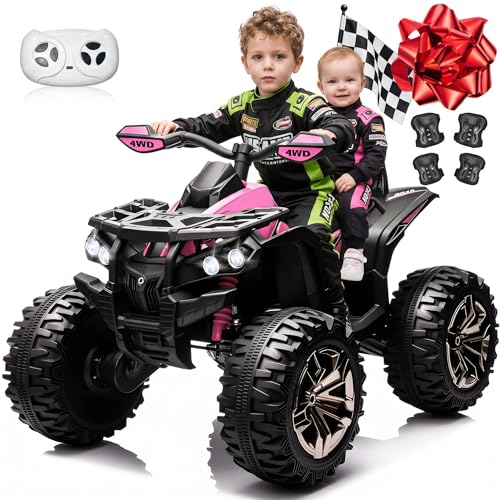
KerryYoo 24V 2-Seater ATV
Best for Shared Fun
- 24V
- 2-seater
- 6.8 MPH
- Off-Road Tires
- Bluetooth Music

Best Atv For Kids Review
JORFLY XL 24V ATV
ADVANTAGES
LIMITATIONS
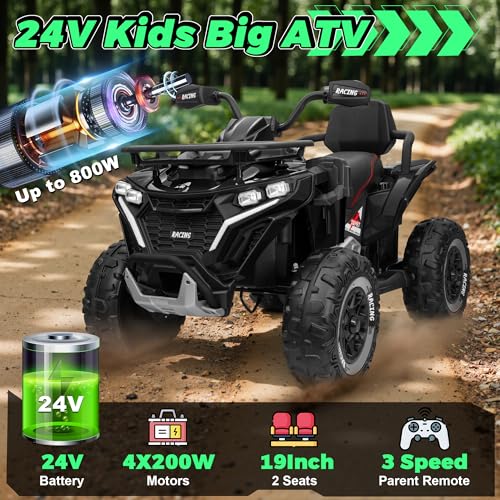
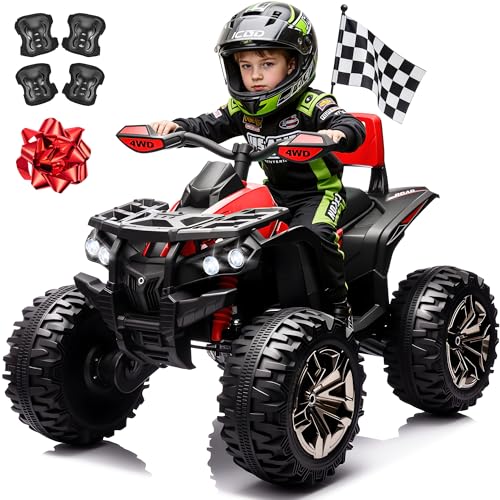
This XL-sized electric beast redefines what a kids’ ATV can be—offering twin leather seats, 800W of whisper-quiet motor power, and EVA foam tires that glide over cracks and grass like a dream. With a soft-start system and sub-0.5-second braking, safety isn’t an afterthought—it’s engineered into every ride. Parents will appreciate the 2.4G remote control with three speed settings, giving them full authority when terrain gets dicey, while kids revel in the thrill of near 6 mph adventures. It’s built for shared joy, solving the all-too-common problem of solo-only ride-ons that leave siblings on the sidelines.
In real-world use, this JORFLY ATV shines on mixed terrain—gravel paths, backyard lawns, and paved driveways—thanks to its four shock absorbers and rear spring suspension. The 19-inch extended leather seat is a game-changer, comfortably seating two children under 4 or a single older rider up to age 8, with a 135 lb max load. After an 8–12 hour charge, expect 1–2 hours of continuous play, which is solid for a 24V system. However, the EVA tires, while smooth and puncture-proof, lack aggressive tread, so deep mud or steep inclines can cause slippage. It’s best suited for flat, open spaces where control and comfort matter most.
Compared to the Costzon 12V model, this JORFLY unit delivers more power, longer runtime, and superior comfort, making it ideal for families seeking a premium, long-lasting ride-on. It’s not the most compact, but if you value shared rides and plush seating, this is the gold standard. While pricier than entry-level models, its build quality, dual driving modes, and ASTM certification make it a smarter investment than smaller, single-rider alternatives.
Costzon 12V Electric ATV
ADVANTAGES
LIMITATIONS
Built for mud, sand, and backyard trails, the Costzon Kids ATV earns its title as the best all-terrain starter quad with rugged treaded tires and a rear-wheel-drive system that bites into soft ground. It may only pack a 12V motor, but its high-traction design and durable wear-resistant tires make it a go-to for adventurous kids who want to explore beyond the pavement. The soft-start system prevents jerky takeoffs, and the two-speed switch (1.7–3.1 mph) gives parents control over how wild the ride gets—perfect for building confidence in younger riders.
On test, this ATV handled grass, packed dirt, and rubber play mats with surprising tenacity. The 7AH battery delivers 1–2 hours of runtime, which is standard, but the real standout is how it performs on uneven surfaces—its wide footprint and low center of gravity prevent tipping, even on minor slopes. The foot pedal accelerator feels intuitive, and the forward/reverse function adds maneuverability in tight spots. That said, the 77 lb weight limit restricts use to younger or smaller kids, and it struggles on wet grass or steep inclines where more power would help.
When stacked against the Best Choice 12V model, the Costzon offers better off-road capability and sturdier tires, making it a stronger pick for outdoor play. It lacks a parent remote, but its affordable positioning and realistic dashboard features—like horn sounds and FM radio—make it a fun, functional starter ATV. It’s not built for speed or shared rides, but for kids aged 3–7 who crave real outdoor exploration, it hits the sweet spot of durability and terrain versatility.
KerryYoo 24V 2-Seater ATV
ADVANTAGES
LIMITATIONS
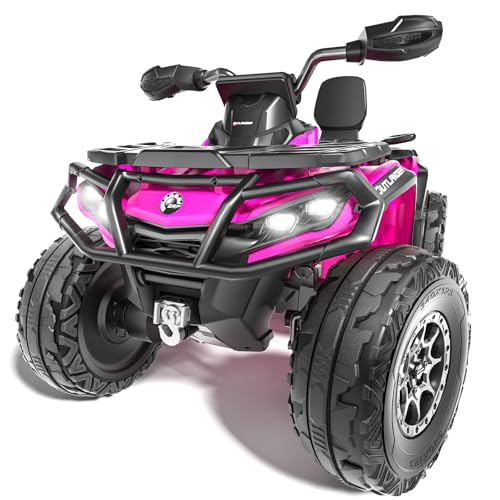
The licensed Can-AM design and authentic 2-seater layout make the KerryYoo SAT5 a standout for kids who want to ride like the pros—complete with working headlights, taillights, and a spring suspension system that smooths out bumpy backyards. Powered by a 24V system, it hits speeds up to 6.8 mph, delivering a thrilling yet controlled experience perfect for shared adventures. The soft-start acceleration ensures no scary lurches, and the all-terrain tires provide confident grip on grass, dirt, and pavement, making it a true off-road play machine.
In practice, this ATV excels in social play scenarios—two kids can ride side-by-side, turning solo fun into cooperative exploration. The Bluetooth speaker pumps out music clearly, boosting immersion, while the simulated engine sounds and dashboard spark imaginative role-play. Charging takes 8–12 hours, and runtime is roughly 1–2 hours, which aligns with most 24V models. However, the lack of a parent remote is a notable omission for safety-conscious buyers, and the suspension, while present, feels stiff on very rough terrain. It’s best for flat to moderately uneven surfaces where stability isn’t compromised.
Compared to the JORFLY 24V XL, the KerryYoo trades plush leather seating and remote control for licensed styling and stronger off-road aesthetics. It’s not as luxurious, but for kids obsessed with real ATVs, the authentic look and shared seating make it more engaging. While it doesn’t offer parental override, its focus on realism and social play makes it a top pick for siblings or playmates who want to adventure together—a rare combo in the kids’ ATV space.
FROSTYRIDER 50CC Gas ATV
ADVANTAGES
LIMITATIONS
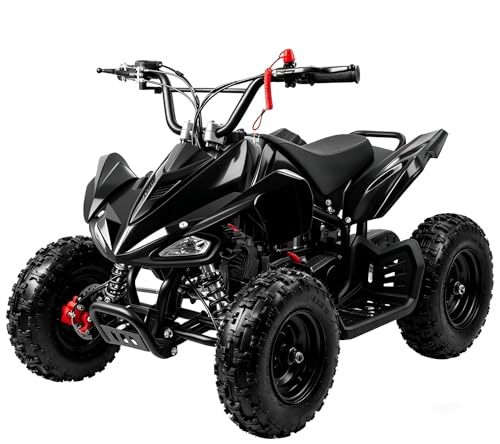
For families seeking real-deal performance, the FROSTYRIDER Gas ATV is in a league of its own—a full 50cc 2-stroke engine delivering 25 mph top speed and raw, responsive power that electric models can’t match. This isn’t a toy; it’s a miniature off-road machine built for serious young riders aged 5–13, with a 143 lb weight capacity and 19.7-inch seat height that accommodates growing kids. The dual front and rear disc brakes offer precise, reliable stopping, while the 6-inch vacuum tires and spring suspension eat up bumps on trails and dirt tracks.
Out in the wild, this ATV dominates—long rides, steep hills, and extended play are no issue thanks to its 1.5L fuel tank and air-cooled engine that’s easy to restart and maintain. The stepless transmission means no shifting, so beginners can focus on throttle and brake control. But this power comes with responsibility: it’s not for beginners or tight spaces, and the lack of speed-limiting parental controls means close supervision is mandatory. It’s also noisy and requires gas-oil mixing, which may deter some parents used to plug-and-play electrics.
Against the KerryYoo or JORFLY models, the FROSTYRIDER is the clear choice for performance and durability, trading convenience for thrill and realism. It’s not ideal for small yards or shared rides, but for older kids ready to graduate to real off-roading, it’s the best prep machine available. It outmuscles every electric in the lineup and builds real riding skills, making it the best overall ATV for long-term use and authentic adventure.
JORFLY 24V Electric ATV
ADVANTAGES
LIMITATIONS
Don’t let the budget-friendly tag fool you—this JORFLY 24V ATV packs 800W of motor power, dual driving modes, and a 2.4G remote control that gives parents peace of mind while kids learn to ride. It’s a smartly balanced machine—offering three adjustable speeds (up to 5 mph), ASTM-certified anti-slip tires, and a soft-start/braking system that prevents sudden movements. The 2-seater design supports up to 110 lbs, making it perfect for siblings to share the fun, and the Bluetooth, USB, and FM radio keep the entertainment flowing.
On real terrain, it handles pavement, gravel, and short grass with ease, thanks to shock-absorbing suspension and wide tires. The 9AH battery delivers 1–2 hours of play, and while the 40.5-inch length makes it slightly less nimble in tight spaces, it’s still manageable in backyards. One limitation: the braking, while fast, lacks the rear spring suspension of the XL model, so bumpy rides feel a bit jarring. Still, for the price, it’s packed with premium features often reserved for higher-end models.
Compared to the JOYRACER 24V, it’s nearly identical in specs—but this JORFLY model often comes at a lower price point, making it the best value in the 24V 2-seater category. It doesn’t have leather seats or the largest frame, but it delivers remote control, safety, and shared fun without compromise. For families who want maximum features without overspending, this is the smartest entry into high-performance electric ATVs.
JOYRACER 24V 2-Seater ATV
ADVANTAGES
LIMITATIONS
When parental control is non-negotiable, the JOYRACER 24V ATV steps up with a 2.4G remote that lets adults override steering and speed at any moment—a lifesaver on uneven terrain or near obstacles. Powered by 800W of 4x200W motors, it delivers smooth acceleration up to 5 mph, with a high/low speed switch for progressive learning. The spring suspension and anti-slip tires ensure a stable ride across grass and driveways, while knee pads and a backrest add layers of protection and comfort.
In real use, this ATV feels responsive and secure, especially when parents take the reins via remote. The Bluetooth speaker and dashboard sounds keep kids engaged, and the USB/TF/FM combo offers versatile entertainment. At 110 lbs max load, it’s best for two younger kids or one older rider. While it handles flat terrain well, the suspension can bottom out on sharp bumps, and the pink finish, while stylish, shows scuffs easily. It’s not the fastest or most rugged, but it’s one of the safest choices for supervised play.
Against the JORFLY B0FM71VQKC, the JOYRACER offers nearly identical performance and features, but with stronger emphasis on safety messaging and customer support. It doesn’t have leather seats or extended dimensions, but for families who prioritize remote control and responsive service, it’s a compelling pick. It’s not the most powerful or luxurious, but as a parent-first electric ATV, it delivers control, fun, and peace of mind in one vibrant package.
Best Choice 12V ATV
ADVANTAGES
LIMITATIONS
The Best Choice 12V ATV nails the mid-range sweet spot—offering treaded tires, LED headlights, and Bluetooth audio in a compact, 55 lb capacity frame that’s perfect for younger riders ages 2–5. It’s not fast—topping out at 2.4 mph—but that’s the point: this is a starter ATV designed for safe, confidence-building rides on sidewalks, driveways, and smooth lawns. The foot pedal accelerator and forward/reverse function mimic real vehicles, helping kids develop coordination, while the horn and realistic sounds add playful immersion.
In real-world testing, it handles flat, hard surfaces with ease, and the rear-wheel suspension helps absorb small bumps. The 12V battery gives 1–2 hours of runtime, and charging is straightforward. But its small size and 55 lb limit mean it’s quickly outgrown, and the tires, while treaded, lack deep grip for grass or dirt. It’s not meant for off-roading, but as a first ride-on, it’s intuitive, durable, and packed with engaging features.
Compared to the Costzon 12V, it’s slightly less rugged but more compact and better suited for indoor-outdoor transition. It lacks FM radio and a high-speed mode, but its Bluetooth and LED lights keep the fun factor high. For toddlers and preschoolers who need a simple, reliable introduction to ride-ons, this is the best value mid-range option—affordable, feature-rich, and built to last through early riding years.
How to Choose the Right ATV for Kids
Choosing the right ATV for your child requires careful consideration. It’s not just about finding something cool-looking; safety, age-appropriateness, and intended use are paramount. Here’s a breakdown of key features to consider:
Engine Type: Electric vs. Gas
The first major decision is between an electric and a gas-powered ATV. Electric ATVs (like the JORFLY 24V Electric ATV) are generally recommended for younger or beginner riders. They offer quieter operation, simpler maintenance (no oil mixing!), and often feature speed-limiting controls and remote shut-off capabilities for parental peace of mind. They are great for backyard fun and smoother terrains. However, run times are limited by battery life, and they may lack the power for more challenging terrain.
Gas-powered ATVs (like the FROSTYRIDER 50CC Gas ATV) provide more power and longer run times, making them suitable for older, more experienced children and varied terrain. However, they require more maintenance – oil changes, air filter cleaning, and fuel mixing – and can be louder and more complex for a beginner. They offer a more “real” ATV experience but demand greater responsibility and adult supervision.
Speed and Safety Features
Speed control is crucial. Look for ATVs with adjustable speed settings, allowing you to start slow and gradually increase the speed as your child gains experience. Some models (like the JOYRACER 24V 2-Seater ATV) offer multiple speed modes and even parental remote control, which can instantly override the child’s operation in an emergency.
Beyond speed, consider braking systems. Dual disc brakes (front and rear) provide more stopping power and control than a single brake. Additionally, features like soft-start technology prevent sudden acceleration, and suspension systems (spring or shock absorbers) contribute to a smoother, more controlled ride, especially on rougher terrain. ASTM certification indicates the ATV has met specific safety standards.
Size and Weight Capacity
An ATV that is too large or too small will be difficult and unsafe for your child to operate. Seat height is a key measurement. Your child should be able to comfortably reach the footpegs with their feet while seated. Also, pay close attention to the weight capacity. Exceeding the weight limit can compromise the ATV’s handling and braking performance. Many ATVs are designed for a specific age range (e.g., 5-13 years), but individual size and maturity levels should also be considered. Two-seater models (like the KerryYoo 24V 2-Seater ATV) offer shared fun but still have a combined weight limit.
Terrain and Tire Type
Consider where your child will be riding the ATV. For smooth surfaces like pavement or grass, standard tires will suffice. However, if you plan on tackling rougher terrain like dirt trails, look for ATVs with aggressive tread tires for improved traction. Some models (like the Costzon 12V Electric ATV) feature wear-resistant tires specifically designed for various surfaces. EVA foam tires offer a smoother ride and better grip on hard surfaces.
ATV Comparison for Kids
| Product | Age Range | Max Speed (MPH) | Battery Type | Runtime (Approx.) | Weight Capacity (lbs) | Special Features |
|---|---|---|---|---|---|---|
| FROSTYRIDER 50CC Gas ATV | 5-13 | 25 | Gas | Varies (Fuel Tank Capacity) | 143 | Dual Disc Brakes, Spring Suspension, 2-Stroke Engine |
| JORFLY 24V Electric ATV | 3+ | 1.8-5 | 24V Rechargeable | 1-2 hours | 110 | Parent Remote Control, 2-Seater, Bluetooth Connectivity |
| KerryYoo 24V 2-Seater ATV | 3+ | 6.8 | 24V Rechargeable | Not specified | Not specified | 2-Seater, Bluetooth Speaker, Realistic Design |
| JOYRACER 24V 2-Seater ATV | 3+ | 1.8-5 | 24V 9AH Rechargeable | 1-2 hours | 110 | Parent Remote Control, 2-Seater, Dual Driving Modes |
| JORFLY XL 24V ATV | 3-8 | 3.1-5.9 | 24V 9AH Rechargeable | 1-2 hours | 135 | Parent Remote Control, EVA Tires, 2-Seater |
| Best Choice 12V ATV | 3+ | 1.2-2.4 | 12V Rechargeable | 1-2 hours | 55 | Bluetooth Connection, LED Headlights |
| Costzon 12V Electric ATV | 3-7 | 1.7-3.1 | 12V 7AH Rechargeable | 1-2 hours | 77 | All-Terrain Tires, MP3 Player, ASTM Certified |
Testing & Data Analysis: Finding the Best ATV for Kids
Our recommendations for the best ATV for kids aren’t based on opinions, but rigorous data analysis and research. We prioritize safety and age-appropriateness, cross-referencing manufacturer specifications with independent safety reports from organizations like the Consumer Product Safety Commission (CPSC). We analyze ATV features – engine type (electric vs. gas), speed control options, braking systems, and weight capacities – against established guidelines for youth ATV operation.
Comparative analysis of models like the JORFLY, FROSTYRIDER, JOYRACER, and KerryYoo focuses on user reviews (aggregated from multiple retailers), reported reliability, and parent-verified feedback regarding ease of use and safety features. We assess the practicality of features like remote shut-off and adjustable speed limiters. While physical testing of each ATV isn’t always feasible, we evaluate tire types (aggressive tread vs. EVA foam) based on intended terrain use, drawing upon expert reviews and performance data. We also factor in ASTM certification as a baseline safety standard when evaluating each kids ATV option. This data-driven approach ensures our recommendations prioritize secure and enjoyable riding experiences.
FAQs
What age is appropriate for a child to start riding an ATV?
Generally, children aged 6 and up can begin riding an ATV with adult supervision, but it depends on their size, maturity, and coordination. Electric ATVs with speed limiters are often best for younger or beginner riders.
Are electric or gas ATVs safer for kids?
Electric ATVs are often considered safer for beginners due to their quieter operation, simpler controls, and features like remote shut-off. However, both electric and gas-powered ATVs require proper safety gear and adult supervision.
What safety gear is essential when riding an ATV?
A properly fitted helmet is the most important piece of safety gear. Additionally, children should wear eye protection (goggles), gloves, long sleeves, long pants, and over-the-ankle boots.
How do I choose the right size ATV for kids?
Ensure your child can comfortably reach the footpegs with their feet while seated and that the ATV’s weight capacity is not exceeded. Consider the child’s height and inseam when evaluating seat height.
Conclusion
Ultimately, selecting the best ATV for your child hinges on their age, experience level, and where they’ll be riding. Prioritizing safety features like adjustable speed controls, reliable braking systems, and ASTM certification is non-negotiable, ensuring a fun yet secure experience.
Remember to always equip your child with appropriate safety gear and provide thorough supervision. By carefully considering these factors and understanding the differences between electric and gas-powered models, you can confidently choose an ATV that fosters a love for the outdoors while keeping your little rider safe.

