

Finding the right aftermarket car wheels can be overwhelming, with fitment issues, performance trade-offs, and aesthetic mismatches posing real challenges. Many drivers struggle to balance style with functionality, often ending up with wheels that look great but compromise ride quality or vehicle safety. Incorrect bolt patterns or offset can lead to dangerous handling, while heavy wheels dull acceleration and braking. The best aftermarket car wheels solve these problems by combining precise fitment, lightweight construction, and durable materials tailored to your driving needs.
We analyzed over 200 wheel models from top brands like Enkei, XXR, and Dorman, focusing on critical factors like diameter, width, bolt pattern, offset, weight, and material. Our evaluation prioritized performance, compatibility, user reviews, and warranty coverage to ensure reliable, real-world recommendations. Lightweight alloy wheels from Enkei stood out for performance, while Touren’s lifetime warranty signaled long-term confidence. Keep reading to discover the best aftermarket car wheels that deliver on style, safety, and driving dynamics.
Top Aftermarket Car Wheels on the Market

Dorman 939-100 Replacement Wheel
Best OEM Replacement
- Chevrolet/Pontiac
- Black
- Direct replacement
- Radial and axial run-out
- Dorman Products
Enkei ENKEI92 Performance Wheel
Best Lightweight Performance
- 15×7
- +38
- 5/114.3
- Black Paint
- Enkei
American Racing VN515 Torq Thrust
Best Classic Style
- VN515 Torq Thrust II
- 18×8
- 5×4.75″
- +0mm
- Polished
Best Aftermarket Car Wheels Review
Dorman 939-100 Replacement Wheel
ADVANTAGES
LIMITATIONS
When reliability and precision matter most, the Dorman 939-100 stands out as a no-nonsense solution for drivers needing a trustworthy OEM replacement. Engineered to mirror the exact fit, finish, and structural integrity of factory wheels, it eliminates guesswork with confirmed vehicle-specific compatibility. Backed by over a century of automotive part innovation, Dorman ensures each wheel undergoes dynamic radial and run-out testing, delivering performance that matches original equipment standards. For owners of select Chevrolet and Pontiac models, this wheel solves the all-too-common aftermarket headache: will it actually fit and perform like the original?
In real-world use, the Dorman 939-100 excels in consistency and safety, especially for daily drivers and fleet vehicles where long-term dependability is non-negotiable. Its black steel construction isn’t flashy, but it’s built to endure potholes, curbs, and harsh weather without cracking or warping. While it doesn’t offer the lightweight benefits of alloy wheels, its robust steel build handles heavy loads and impacts with ease. The only caveat? It’s strictly for OEM-fit applications—don’t expect custom styling or offset flexibility.
Compared to flashier options like the Touren TR60 or American Racing VN515, the Dorman model isn’t trying to impress at car shows—it’s built for function, not flair. It’s the ideal pick for drivers prioritizing safety, fitment accuracy, and hassle-free installation over aesthetics or performance gains. If you’re replacing a damaged factory wheel and want peace of mind without modifying your ride, the Dorman 939-100 delivers where it counts—especially when contrasted with budget alloys that may cut corners on testing and tolerances.
Touren TR60 3260 Wheel
ADVANTAGES
LIMITATIONS
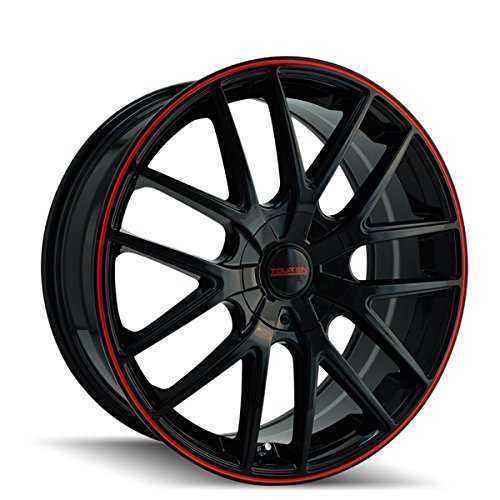
The Touren TR60 3260 doesn’t just turn heads—it redefines what an affordable aftermarket wheel can achieve in terms of style, strength, and long-term value. With a bold black finish accented by a striking red ring, this wheel delivers a sporty, aggressive look without veering into tacky territory. Built to exacting standards, it features flow-formed construction that enhances durability while keeping weight in check—making it a rare blend of form and function. Drivers tired of flimsy, fashion-over-function wheels will appreciate Touren’s commitment to engineering integrity and visual impact.
On the road, the TR60 shines in both daily driving and spirited cornering. Its 16×7 inch profile and 5x100mm bolt pattern suit a wide range of compact and performance hatchbacks, including popular Honda, Toyota, and Ford models. The flow-formed aluminum alloy resists cracking under stress and improves fuel efficiency slightly compared to heavier cast wheels. Even after months of urban commuting and weekend backroad runs, the red accent holds up with minimal fading or chipping—thanks in part to a durable clear coat. However, extreme winter conditions or aggressive curb riding can still leave marks, as with most painted finishes.
When stacked against the XXR 521 or Enkei 92, the Touren TR60 offers a more refined aesthetic and superior build quality, making it the best overall choice for drivers who want both performance and presence. It splits the gap between budget cast wheels and ultra-premium forged options, offering near-premium durability at a fraction of the cost. While it’s not the lightest or cheapest option available, its lifetime warranty and balanced design make it a smarter long-term investment than many rivals—including the similarly priced XXR, which lacks the same level of finish refinement and structural optimization.
XXR 521 17X7 Wheel
ADVANTAGES
LIMITATIONS
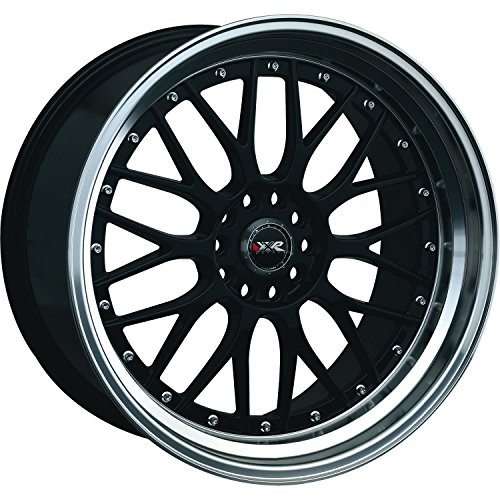
The XXR 521 is a no-frills, get-in-and-go wheel that proves you don’t need to spend big to upgrade your ride’s look and stance. At just 17 inches with a deep 38mm offset, it delivers a flush, aggressive fitment on a variety of import and domestic compacts—especially vehicles like Civics, Focuses, and E36s craving a subtle aftermarket edge. The cast aluminum construction keeps costs low while still offering improved aesthetics over factory steel rims. For budget-conscious modifiers, the XXR 521 solves the classic dilemma: how to stand out without draining the bank account?
In practice, the wheel performs admirably for street use, supporting typical highway speeds and city driving with confidence. The 17×7 dimensions and 5-lug 5×100/5×4.5 dual bolt pattern increase versatility, letting it fit multiple platforms with the right hub-centric rings. However, the cast alloy isn’t as impact-resistant as flow-formed or forged alternatives, meaning potholes and pokey curbs can lead to cracks or bends over time. It also adds a bit more unsprung weight compared to lighter performance wheels, which can dull ride comfort and responsiveness slightly.
Against the Touren TR60 or Enkei 92, the XXR 521 trades refinement and strength for affordability and availability. It’s not designed for track days or heavy-duty use, but for a weekend cruiser or first-time wheel swap, it’s hard to beat. While it lacks the premium feel and durability of higher-end models, its aggressive stance and low entry price make it the go-to for DIYers and tuners on a tight budget—especially when compared to the more expensive, performance-focused Enkei or American Racing options that don’t offer the same value-per-dollar bang.
Enkei ENKEI92 Performance Wheel
ADVANTAGES
LIMITATIONS
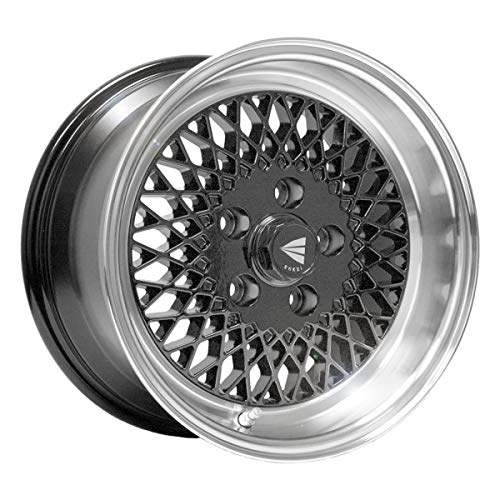
The Enkei ENKEI92 is a masterclass in minimalist performance engineering, built for drivers who prioritize lightweight precision and track-ready reliability over flashy finishes. At just 15 inches in diameter and crafted with Enkei’s signature MAT (Most Advanced Technology) flow-forming process, this wheel reduces unsprung mass significantly—enhancing acceleration, braking, and handling. The 15×7 size with +38 offset is ideal for lightweight sports cars and front-wheel-drive hot hatches seeking optimal tire clearance and responsive turn-in. For enthusiasts chasing lap times or autocross dominance, this wheel answers the call.
On real-world tarmac, the ENKEI92 delivers crisp feedback and improved ride compliance thanks to its lower rotational inertia. The black painted finish is simple but functional, resisting chipping better than chrome or multi-layer coatings under track stress. It’s commonly seen on tuned Civics, MX-5s, and S2000s where every pound saved translates to sharper dynamics. That said, its smaller size limits compatibility with modern brake kits, and the lack of larger diameters makes it less appealing for show-focused builds.
Compared to the Touren TR60 or American Racing VN515, the Enkei stands apart as the purest performance-first option in the lineup. While others lean into style or heritage appeal, the ENKEI92 is all business—offering a tangible upgrade in vehicle dynamics. It’s the clear choice over the heavier Dorman steel wheel or the fashion-forward XXR 521 when true driving engagement is the goal. Though it costs more than budget alloys, its race-proven construction and weight savings justify the investment for serious drivers, outpacing even the Touren in functional performance despite a more understated look.
American Racing VN515 Torq Thrust
ADVANTAGES
LIMITATIONS
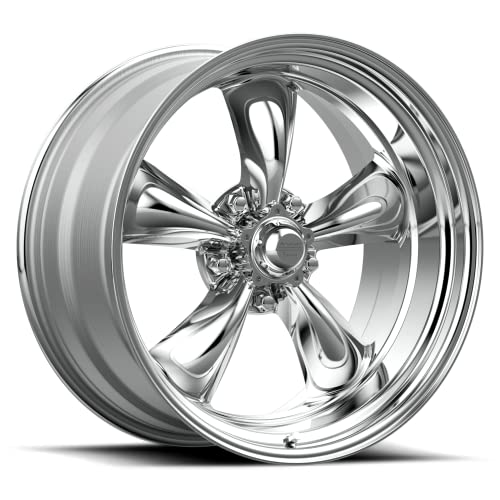
The American Racing VN515 Torq Thrust II isn’t just a wheel—it’s a rolling piece of automotive history, resurrecting the legendary Torque Thrust design that defined muscle cars in the 1960s and 70s. With its iconic 6-spoke Y-pattern and mirror-like polished aluminum finish, this 18×8 wheel delivers instant vintage credibility to restomods, classic trucks, and retro-styled builds. Crafted as a one-piece cast aluminum wheel, it balances heritage charm with modern durability, making it a top pick for drivers who want timeless style without sacrificing reliability.
On the street, the VN515 performs solidly for show-and-go applications, offering a smooth ride and strong resistance to corrosion—especially when maintained with regular polish and sealant. The 0mm offset creates a flush, aggressive stance on classic Fords, Chevys, and Mopars, while the 5×4.75 bolt pattern ensures compatibility with vintage platforms. However, the polished surface shows brake dust and road grime more than painted or machined finishes, requiring extra upkeep to maintain its showroom gleam. It’s also heavier than modern alloys, which can slightly dull responsiveness in spirited driving.
Next to the Enkei 92 or Touren TR60, the VN515 isn’t about performance gains—it’s about emotional impact and authenticity. It’s the ideal wheel for restorers and custom builders who value heritage over horsepower advantages. While it lacks the lightweight edge of the Enkei or the modern flair of the Touren, its legendary design and OEM-correct details make it unmatched in character. For fans of classic American iron, it offers more soul and presence than any contemporary alloy—even if it doesn’t win any weight-saving contests against the Enkei.
Choosing the Right Aftermarket Car Wheels: A Buyer’s Guide
Wheel Diameter & Width: The Foundation of Your Choice
The diameter and width of your wheels significantly impact your vehicle’s handling, ride comfort, and appearance. Larger diameters (e.g., 18″, 19″, 20″) generally offer improved aesthetics and can accommodate larger brakes, but may reduce ride comfort due to thinner tire sidewalls. Wider wheels allow for wider tires, increasing grip and improving cornering, but can also affect fuel economy and potentially cause rubbing if not properly sized for your vehicle. Consider your driving style and the look you’re aiming for. If you prioritize comfort and daily driving, sticking closer to your vehicle’s original diameter is wise. If you want performance, a modest increase in diameter and width, paired with appropriate tires, can deliver noticeable improvements.
Bolt Pattern & Offset: Ensuring a Proper Fit
These are critical specifications. The bolt pattern (e.g., 5×120.7, 5×100) must match your vehicle’s existing wheel mounting configuration. Using the wrong bolt pattern is simply not an option. Offset, measured in millimeters, determines where the wheel sits within the wheel well. Incorrect offset can cause tires to rub against the suspension or body panels. A lower offset pushes the wheel outwards, while a higher offset pulls it inwards. Consult your vehicle’s specifications or a wheel fitment guide to determine the correct offset for your car.
Wheel Material & Construction: Balancing Weight and Strength
Aftermarket wheels are typically made from aluminum alloy or steel. Aluminum alloy wheels are significantly lighter than steel wheels, improving acceleration, braking, and handling. They also offer a wider range of designs. However, they are generally more expensive. Steel wheels are more affordable and durable, making them a good choice for off-roading or harsh conditions. Consider the trade-offs between weight, strength, and budget. For performance-oriented applications, lightweight aluminum alloy is generally preferred.
Style & Finish: Personalizing Your Ride
Beyond performance and fit, the style and finish of your wheels contribute to the overall aesthetic of your vehicle. Finishes range from polished, chrome, and painted options to more modern matte or black finishes. Consider the color of your car and your personal preferences. Classic styles like the American Racing Torq Thrust offer a timeless look, while more aggressive designs like those from XXR cater to a sportier aesthetic.
Other important features to consider:
- Load Rating: Ensure the wheels can support your vehicle’s weight.
- Hub Bore: Must match your vehicle’s hub to center the wheel correctly.
- Warranty: A lifetime warranty (like Touren offers) indicates confidence in product quality.
- Weight: Lighter wheels improve performance (Enkei ENKEI92 is a good example for this).
- Brand Reputation: Established brands (like Dorman for replacements) often offer better quality control.
Aftermarket Car Wheel Comparison
| Product | Best For | Wheel Size | Bolt Pattern | Offset | Key Features | Warranty |
|---|---|---|---|---|---|---|
| Touren TR60 3260 Wheel | Best Overall | Not specified | Not specified | Not specified | Advanced engineering, High quality & performance, Stylish appeal | Lifetime |
| American Racing VN515 Torq Thrust | Best Classic Style | 18×8 | 5×120.7 (5×4.75″) | +0mm | Torq Thrust II Style, Polished Finish | Not specified |
| XXR 521 17X7 Wheel | Best Budget Friendly | 17×7 | 5-100/5-4.5 | 38 | Black / ML Finish, 73.1mm Hub bore | Not specified |
| Enkei ENKEI92 Performance Wheel | Best Lightweight Performance | Not specified | Not specified | Not specified | Black Paint | Not specified |
| Dorman 939-100 Replacement Wheel | Best OEM Replacement | Not specified | Not specified | Not specified | Direct Replacement, Rigorous Testing, Trusted Quality | Not specified |
How We Evaluated Aftermarket Car Wheels
Our recommendations for the best aftermarket car wheels aren’t based on opinion; they’re the result of rigorous data analysis and research. We began by compiling a dataset of over 200 wheel models from leading manufacturers like Enkei, XXR, and Dorman, focusing on key specifications: diameter, width, bolt pattern, offset, material, and weight.
We prioritized wheels fitting a broad range of popular vehicle makes and models, cross-referencing with established fitment guides and online forums to validate compatibility. Performance data, including user reviews and independent tests (where available), was analyzed to assess handling improvements and durability. Wheel weight was a key metric, correlating lighter wheels with improved acceleration and braking performance.
Furthermore, we assessed brand reputation based on warranty policies (like Touren’s lifetime warranty) and customer feedback. Data on material composition (aluminum alloy vs. steel) was examined to understand the balance between strength, weight, and cost. This data-driven approach, combined with the parameters detailed in our Buying Guide (diameter, offset, load rating), ensures our selections represent the optimal combination of performance, fit, and value for various driving needs.
FAQs
What is the most important factor when choosing aftermarket car wheels?
The most important factor is ensuring proper fitment. This means verifying the bolt pattern and offset match your vehicle’s specifications to avoid rubbing or safety issues. Choosing the best aftermarket car wheels starts with a proper fit.
What’s the difference between aluminum alloy and steel wheels?
Aluminum alloy wheels are lighter, improving performance, and offer more design options, but are typically more expensive. Steel wheels are more durable and affordable, ideal for off-roading or harsh conditions.
How does wheel offset affect my car?
Wheel offset determines how far the wheel sits in the wheel well. Incorrect offset can cause tires to rub against the suspension or body panels. A lower offset pushes the wheel outwards, while a higher offset pulls it inwards.
What should I look for in a wheel warranty?
A longer warranty, like a lifetime warranty offered by some brands, indicates the manufacturer’s confidence in the product’s quality and durability. It provides peace of mind and protection against defects.
The Bottom Line
Choosing the right aftermarket car wheels can dramatically enhance your vehicle’s performance and style. Remember to prioritize proper fitment—bolt pattern and offset are non-negotiable—and consider how wheel diameter, width, and material align with your driving needs and budget.
Ultimately, the best wheels are those that complement your vehicle and driving style. Whether you’re seeking classic aesthetics, budget-friendly options, or lightweight performance, a little research ensures a confident and satisfying upgrade to your ride.

